Celebrating the High Visibility Waistcoat That Remains a Workplace Safety Must Have
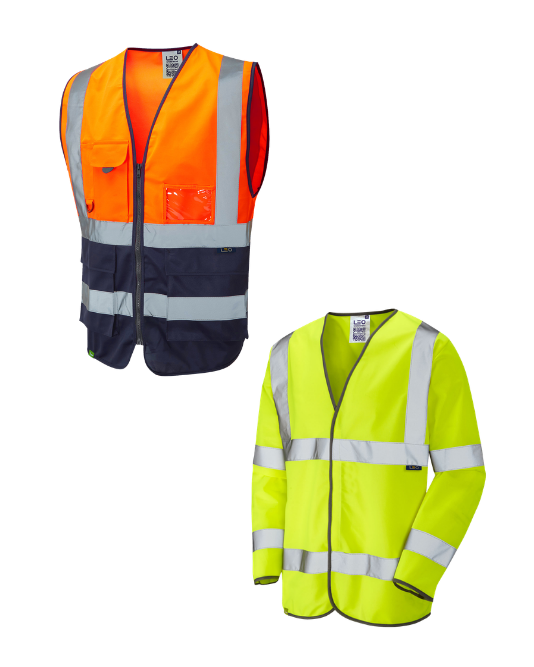
Few items of PPE are as instantly recognisable as the high visibility waistcoat. Lightweight, practical and easy to issue, it has become one of the most widely used safety garments in the UK, helping workers, visitors and site teams remain visible across a huge range of environments.
But while the waistcoat may look simple, its role in workplace safety should not be underestimated. When correctly specified, certified and worn, it provides an effective, cost-efficient way to improve visibility and support safer working.
Where high visibility began
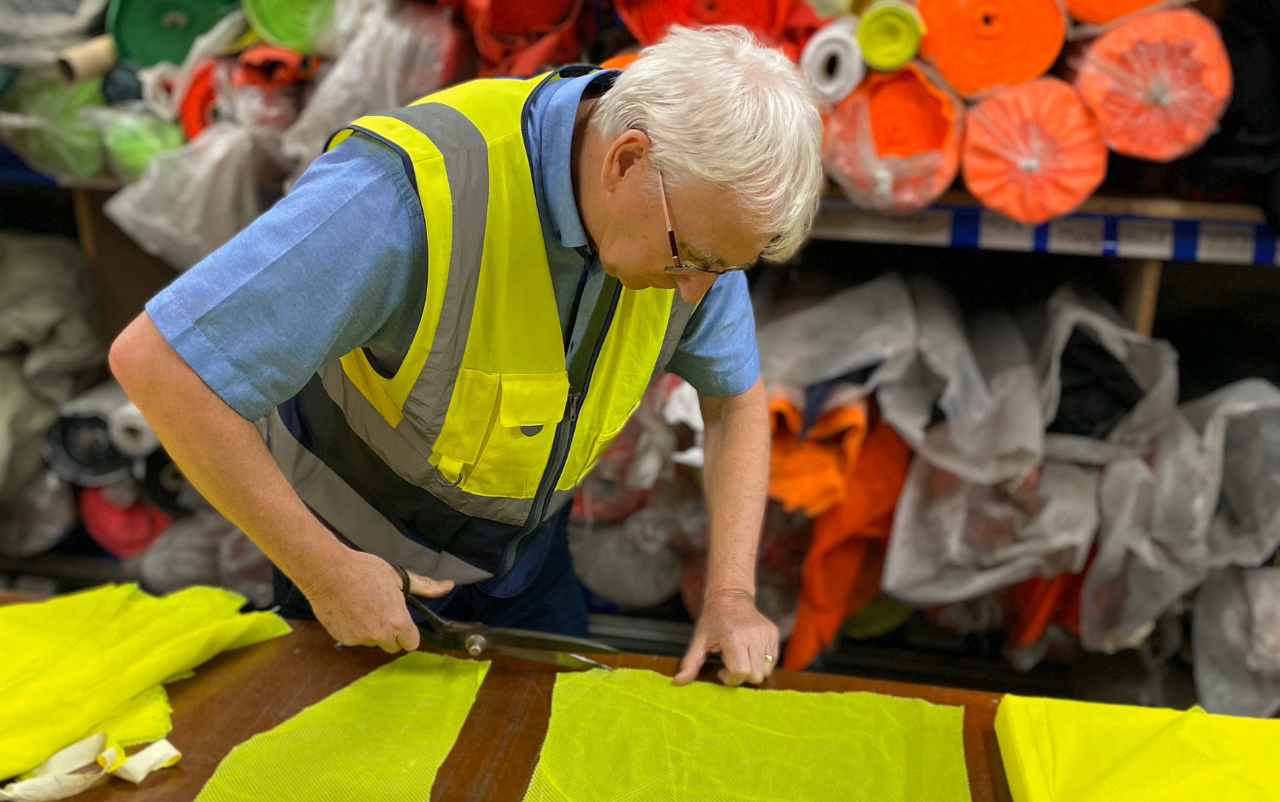
The high visibility waistcoat has a long history, and Leo Workwear has played a major role in its development. In 1980, Leo founder Peter Turner designed and produced the first fluorescent high visibility waistcoats that combined fluorescent fabric and reflecting tape for a traffic marking company. Before this, visibility was often improved by adding bright PVC patches to traditional workwear, such as donkey jackets.
The waistcoat changed that approach. It provided a dedicated, purpose-built visibility garment that could be worn over existing clothing, issued quickly and used across different tasks and working environments.
By 1985, the Leo waistcoat had helped form the basis of British Standard BS6629, before the industry later moved through EN471 and then to the international standard ISO 20471. Today, the waistcoat remains a core part of many PPE programmes, from highways and logistics to construction, facilities management, events, warehousing and visitor safety.
Why the waistcoat still matters
The success of the high visibility waistcoat comes from its simplicity. It is easy to wear, easy to store, easy to brand and easy to issue to large teams or visitors. It can be worn over base layers, sweatshirts, jackets or everyday clothing, making it one of the most flexible garments in a PPE range.
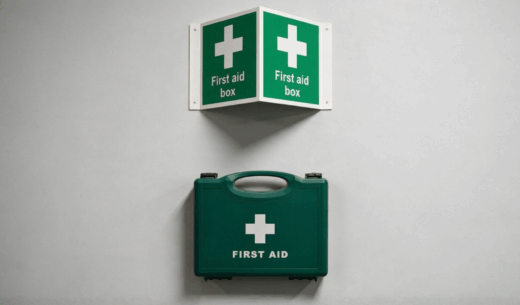
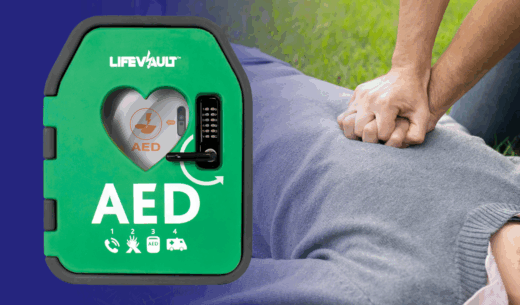
For employers and safety managers, waistcoats also offer practical advantages. They can help identify roles, teams or responsibilities through colour, print and badging. Common examples include visitor, marshal, first aider, fire marshal, supervisor or contractor identification.
This makes the waistcoat more than just a visibility garment. In many workplaces, it also becomes part of communication, site control and operational safety.
Choosing the right waistcoat
Although waistcoats are often seen as a basic PPE item, specification still matters. The correct garment should be selected based on the working environment, lighting conditions, task, wearer movement and required level of visibility.
Key considerations include:
- Certification to the relevant high visibility standard
- Appropriate colour for the working environment
- Correct reflective tape configuration
- Fit and sizing for different wearers
- Durability for repeated use
- Compatibility with other PPE and layers
- Additional requirements such as flame retardant or anti-static properties
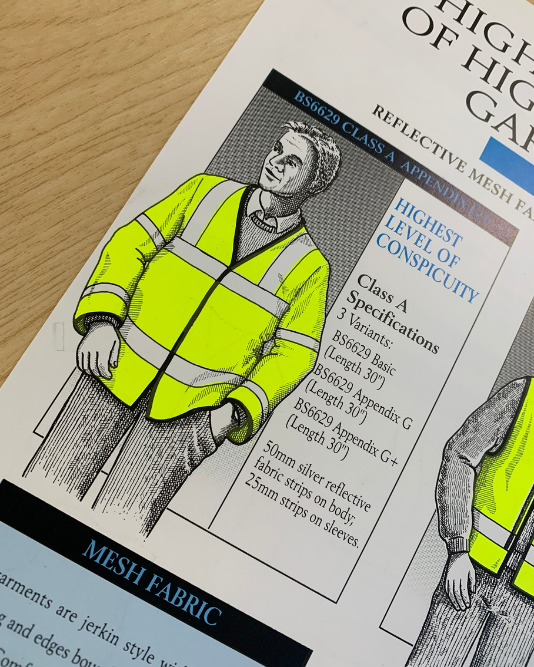
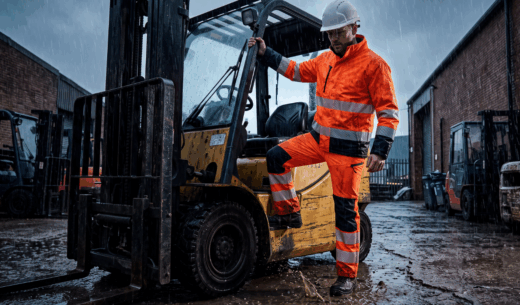
It is also important to recognise that a waistcoat is not always the complete answer. In higher-risk environments, or where visibility of the arms is required, sleeved garments or full Class 3 combinations may be more appropriate. A good PPE programme should always match the garment to the risk.
A more responsible waistcoat
As one of the most frequently issued high visibility garments, the waistcoat also has an important role to play in more responsible PPE purchasing.
Leo Workwear now manufactures its waistcoat range using EcoViz recycled polyester, removing virgin polyester from production without compromising conformance, performance or appearance.
This allows organisations to make a more responsible choice on a product that is often bought in high volumes, while still meeting the safety expectations required in professional working environments.
A core garment with a big safety role
The high visibility waistcoat may be one of the most familiar pieces of PPE, but that familiarity should not make it an afterthought. From its origins in road worker safety to its role today across almost every sector, the waistcoat remains a practical, versatile and essential visibility garment.
Whether used for visitors, site teams, contractors, logistics staff or role identification, the right waistcoat can support safer working, clearer communication and more responsible procurement.
Content created in partnership with Leo Workwear.