Metatarsal Safety Boots Explained: Do You Need Met Guard Protection?
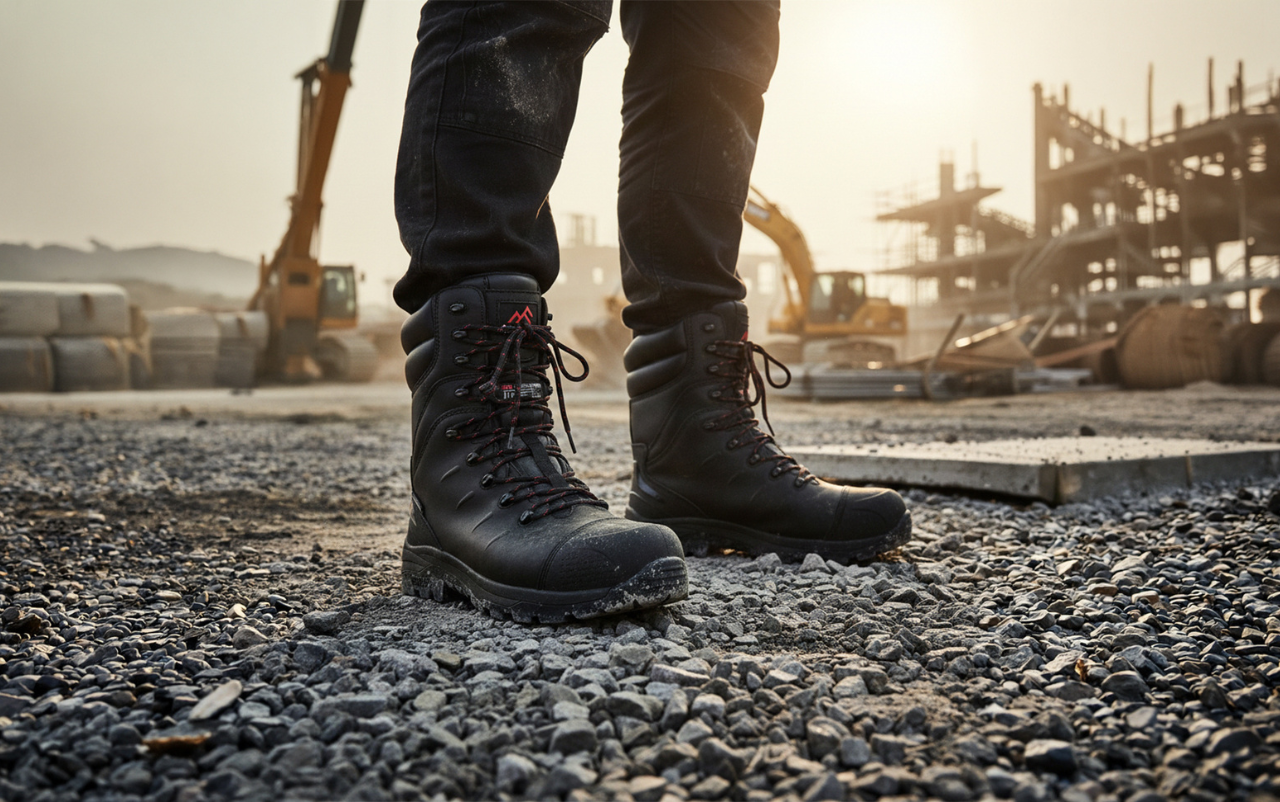
Metatarsal safety boots are protective work boots designed to safeguard the top of the foot, from the toes to the ankle. Unlike standard safety footwear that protects only the toe area, metatarsal boots feature an additional guard that helps protect the five metatarsal bones from impact, compression and crushing injuries.
This guide explains what metatarsal protection is, how it works, and how to determine whether metatarsal safety boots are required in your workplace.
What Are Metatarsal Bones?
The metatarsals are the five long bones located in the middle of the foot, connecting the toes to the ankle. They play a vital role in balance, standing, walking and movement.
Despite their importance, these bones sit close to the skin with very little natural cushioning, making them vulnerable to workplace hazards.
Why Are Metatarsal Bones Vulnerable?
- Covered by minimal soft tissue
- Bear significant pressure during walking and standing
- Susceptible to impact from dropped objects
- Not protected by standard safety toe caps
While a safety toe cap protects the front of the foot, the metatarsal bones sit further back, leaving a large area exposed unless dedicated metatarsal protection is worn.
What Is the M Marking?
Safety footwear that provides metatarsal protection carries the M marking under the EN ISO 20345 standard.
This certification confirms that the footwear has been tested to protect the metatarsal area from impact hazards.
M Marking Requirements
- Impact Energy: 100 Joules
- Equivalent Test: 20kg weight dropped from 50cm
- Protection Area: Top of foot between the toe cap and ankle
- Standard: EN ISO 20345
Although standard safety toe caps are tested to withstand 200 joules of impact, they only protect the toe area. M-rated safety footwear provides additional protection across the upper foot.
Internal vs External Metatarsal Guard
Metatarsal protection is available in two different designs: internal guards and external guards.
Internal Metatarsal Guards
- Integrated inside the boot
- Hidden beneath the tongue
- Lightweight and low-profile
- Greater flexibility during movement
- More comfortable for all-day wear
- Looks similar to a standard safety boot
External Metatarsal Guards
- Fitted over the outside of the boot
- Visible protective shield
- Typically bulkier and heavier
- Often used where maximum coverage is required
- Common in welding, foundry and heavy industrial environments
Important
Both internal and external guards must meet the same EN ISO 20345 M-rating and provide the same impact protection. The difference is primarily in comfort, fit and design.
Rock Fall’s metatarsal safety footwear range uses internal metatarsal guard technology, offering streamlined protection without sacrificing comfort.
How Internal Metatarsal Guards Work
Internal metatarsal protection is built directly into the construction of the boot.
When an impact occurs:
- The object strikes the top of the foot.
- The metatarsal guard absorbs and disperses the impact energy.
- Force is spread across a wider area to reduce injury risk.
- Protection extends from the toe cap to the ankle area.
Modern materials allow the guard to remain flexible during normal movement while providing protection when subjected to impact.
Who Needs Metatarsal Protection?
Metatarsal safety boots are designed for workers who face a risk of objects falling or rolling onto the top of their feet.
A workplace risk assessment should determine whether M-rated footwear is required.
Industries Commonly Using Metatarsal Safety Boots
Construction
- Falling building materials
- Dropped tools
- Structural components
Manufacturing
- Heavy machinery
- Components and equipment
- Raw materials
Foundry & Metalworking
- Castings
- Billets
- Hot metal components
Mining & Quarrying
- Rock falls
- Heavy equipment
Heavy Engineering
- Fabricated steelwork
- Large components
- Mechanical assemblies
Logistics & Warehousing
- Palletised loads
- Forklift operations
- Heavy goods handling
Consider Metatarsal Boots If:
- Heavy objects are regularly lifted or transported
- Materials are stored overhead
- Workers handle loads above 15kg
- Crush hazards exist within the workplace
- Site rules specify metatarsal protection
- Previous foot injuries have occurred
The Consequences of Metatarsal Injuries
Metatarsal injuries can result in lengthy recovery periods and significant disruption for both employees and employers.
Typical Recovery Times
Simple Fracture
Approximately 6 to 8 weeks
Multiple Fractures
Approximately 3 to 6 months
Complex or Displaced Fractures
Six months or longer and may require surgery
Crushing Injuries
Recovery periods vary and can result in permanent damage
Beyond the immediate injury, workers may experience long-term mobility issues, ongoing pain and reduced ability to perform physical tasks.
The best protection remains prevention through the use of suitable safety footwear.
Rock Fall Metatarsal Safety Boot Range
Rock Fall offers metatarsal protection across a variety of footwear styles.
Monzonite (RF540)
- Sizes UK 5-14
- Waterproof construction
- Side zip fastening
- High-leg design
Rhyolite (TC3000)
- Sizes UK 3-15
- Waterproof protection
- Internal metatarsal guard
Iris (RF3300)
- Sizes UK 3-8
- Women’s-specific fit
- Internal metatarsal protection
All styles provide M-rated metatarsal protection whilst maintaining the comfort and flexibility expected from modern safety footwear.
How to Choose Metatarsal Safety Boots
1. Understand Your Requirements
Review your workplace risk assessment and determine:
- Whether metatarsal protection is mandatory
- Required safety rating (S1, S3 or S7)
- Additional requirements such as waterproofing or heat resistance
2. Select the Guard Type
Internal Guards
- Better for comfort
- Lightweight design
- Ideal for daily wear
External Guards
- Additional visible coverage
- Common in foundry and welding environments
3. Choose Your Preferred Boot Style
- Ankle boots for lightweight protection
- High-leg boots for additional ankle support
- Zip-fastening styles for quick removal
4. Ensure a Proper Fit
Your safety boots should provide:
- 10-15mm between the longest toe and the end of the boot
- A secure heel fit
- Comfortable width
- No pressure points from the metatarsal guard
5. Verify Certification
Always ensure your footwear carries:
- EN ISO 20345 certification
- M marking for metatarsal protection
- The required safety classification
metatarsal bones are vulnerable
Your metatarsal bones are vulnerable, and injuries to this area can have long-lasting consequences.
While standard toe caps provide valuable protection, they do not protect the top of the foot. Metatarsal safety boots bridge this gap, helping to reduce the risk of serious injury from falling or crushing hazards.
Modern internal metatarsal guard technology means workers no longer have to choose between comfort and protection.
Don’t leave your feet exposed. Choose M-rated metatarsal protection and give your workforce the protection they deserve.
Content created in partnership with Rock Fall.