Supporting Menopause Through Better Uniform Design for Menopause Awareness Month
October marks Menopause Awareness Month, which means it’s a great opportunity for workplaces to consider how they can better support employees experiencing perimenopause and menopause.
While workplace conversations around menopause have progressed considerably, support goes beyond policies and awareness. The physical working environment matters too and, for employees who wear a uniform every day, what they are required to wear can have a significant impact on their comfort at work.
Recent research conducted by workwear manufacturer alsico, in partnership with Care England, highlights just how important this can be.
The impact of menopause at work
Menopause is a highly individual experience, with symptoms varying considerably from person to person. For some, symptoms such as hot flushes, sweating, skin sensitivity, bloating and changes in body temperature can make the working day more challenging.
These challenges can be particularly noticeable in physically demanding roles, where employees may be moving throughout their shift or working in warm environments.
Research conducted by alsico among UK care workers experiencing menopause symptoms found that 28% had considered leaving their role because of those symptoms.
While uniforms are only one part of creating a menopause-supportive workplace, the research suggests they are an important consideration that can sometimes be overlooked.
Among care workers who had experienced menopause symptoms at work:
- 68% disagreed that their uniform helped them cool down after a hot flush
- 63% disagreed that their uniform prevented them from becoming sweaty or uncomfortable
- 52% disagreed that their uniform stretched sufficiently to keep them comfortable while completing tasks
These findings reinforce why uniform selection should consider the needs of the people wearing the garments, not simply appearance, durability or cost.
Designing for temperature and moisture management
Hot flushes and changes in body temperature are among the symptoms commonly associated with menopause. When combined with a warm workplace or physically demanding role, a uniform that traps heat and moisture can add another layer of discomfort.
Fabric selection can make a difference.
Natural or regenerated fibres can help with the absorption and evaporation of moisture, while lightweight, breathable fabrics and thoughtfully positioned ventilation can support airflow.
Moisture management is another important consideration. Moisture-wicking fabrics are designed to draw sweat away from the skin and move it to the outer surface of the fabric, where it can evaporate more quickly. This can help the wearer stay dry and comfortable when experiencing sweating or sudden changes in temperature.
There is no single fabric or garment that will meet everyone’s needs but considering breathability and moisture management when specifying a uniform can create a more comfortable working experience.
Designed for movement and changing needs
Comfort isn’t only about keeping cool.
Menopause and perimenopause can also be accompanied by bloating, skin sensitivity and changes to the body, making restrictive or ill-fitting garments particularly uncomfortable.
Introducing stretch into uniforms can give wearers greater freedom of movement while helping garments adapt more comfortably to the body.
Thoughtful design choices, including stretch fabrics, softer materials and garment shapes that accommodate movement and changes in the body, can all contribute to greater comfort throughout a shift.
This is particularly important in active roles where employees regularly need to bend, reach, lift and move.
Better uniform design benefits everyone
Designing uniforms with menopause in mind doesn’t mean creating a separate ‘menopause uniform’.
Instead, it is about applying inclusive design principles that improve comfort and functionality for the wider workforce.
Breathable fabrics, effective moisture management, stretch, freedom of movement and softer materials aren’t only valuable to somebody experiencing menopause symptoms. They can help make uniforms more comfortable for everyone.
Taking this approach also avoids singling employees out or requiring them to disclose personal information simply to access a more comfortable uniform.
Putting these principles into practice
Garments designed with lightweight fabrics and stretch can support comfort and freedom of movement throughout physically demanding shifts.
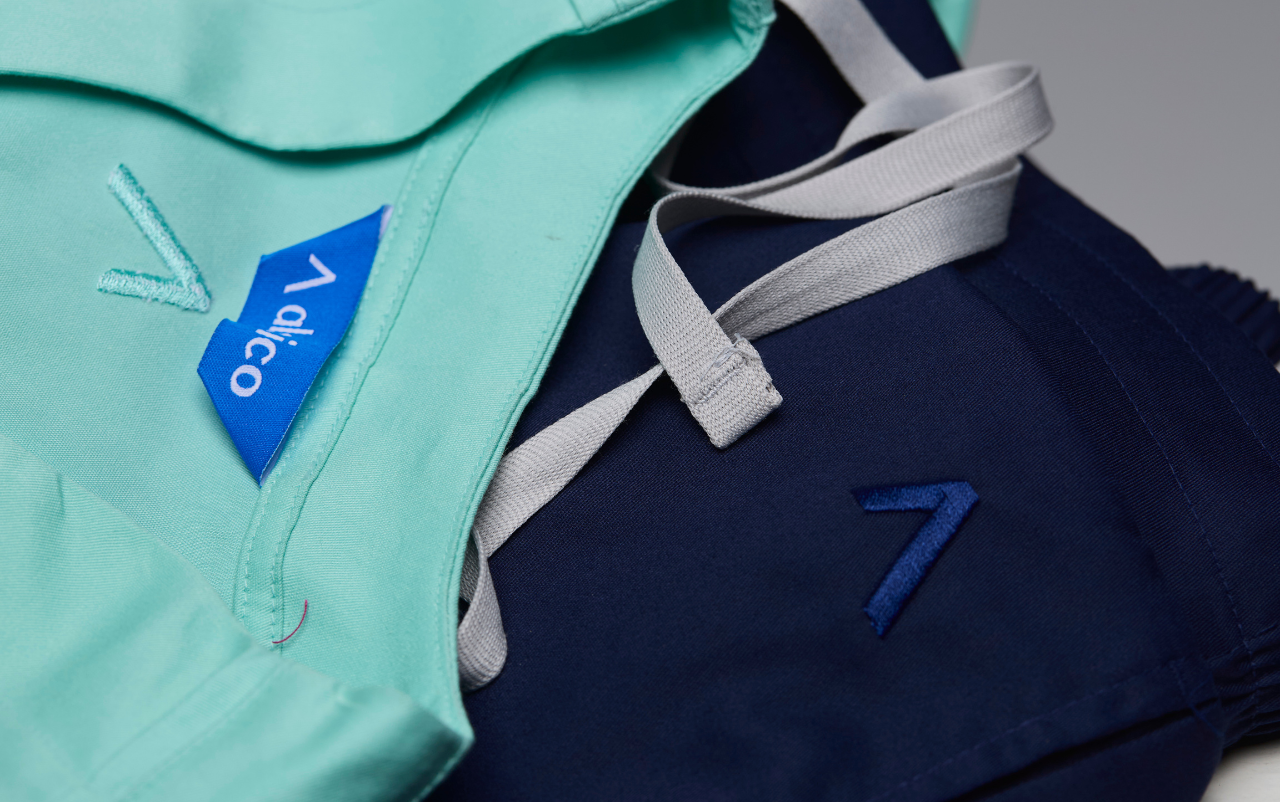
Available through Lyreco Intersafe, the products from alsico’s new stretch collection include tunics, scrub tops and trousers made from a lightweight fabric with a minimum of 25% stretch. Designed to move comfortably with the wearer, they demonstrate how stretch and freedom of movement can support everyday comfort.
Explore the collection below.
Giving employees choice
Menopause affects everyone differently, which means a one-size-fits-all approach is unlikely to provide the best solution.
Where possible, organisations can offer employees greater choice within their uniform range – whether that’s different garment styles, fits, fabrics or layering options.
Listening is equally important.
Creating opportunities for employees to provide feedback on their uniforms can help organisations understand what is and isn’t working. Wearer trials before introducing a new uniform range can also identify potential issues around fit, movement and comfort before a wider rollout.
Uniform programmes shouldn’t be static. Regular feedback can help ensure garments continue to meet the needs of the people wearing them.
Small changes can make a meaningful difference
Supporting employees through menopause requires a broader workplace approach encompassing awareness, communication, policies and appropriate workplace adjustments.
Uniform design can form another valuable part of that support.
By considering breathability, moisture management, stretch, fit and wearer choice, organisations can create uniforms that better respond to the realities of the working day.
Menopause Awareness Month provides an opportunity to start or continue these conversations. But creating comfortable and inclusive workplaces should be a year-round priority.
Thoughtful uniform design may seem like a small change but for somebody wearing that uniform for hours every day, it can make a meaningful difference.
Discover more findings and practical recommendations in alsico’s Menopause in the Care Sector: Making Positive Changes report here.
References
Alsico – Menopause in the Care Sector. An overview of alsico’s ongoing work with the care sector, including research, industry collaboration and resources focused on improving workplace menopause support.
Alsico & Care England – Menopause in the Care Sector: A Report for Positive Change. Research exploring the experiences of 110 UK carers experiencing menopause or perimenopause symptoms at work, including workplace support, uniform comfort and employee retention.
Alsico – Designing for Comfort: Uniforms that Support Menopause and Beyond. Explores findings around hot flushes, sweating, stretch, breathability, fabric choice and the role uniform design can play in improving wearer comfort.
Content created in partnership with Alsico.

Explore The Range
From Alsico
These are not menopause-specific garments, but examples of how features such as lightweight fabrics, stretch and freedom of movement can support everyday wearer comfort.
UK | IRE