The Hidden Risk of Vehicle Fires: Where Should EV Fire Blankets Be Installed?
As electric vehicle adoption increases across the UK and with a 147% increase in lithium-ion battery fires in just three years, organisations are reviewing how their fire safety measures address lithium-ion battery fire risks.* EV fires are often linked to battery faults, damage, or failure within lithium-ion batteries. This hidden risk can generate significant heat, leading to thermal runaway, a self-sustaining reaction. EV fire blankets can be an effective part of a fire safety strategy, helping organisations contain vehicle fires and reduce the likelihood of damage spreading.
How Do EV Fire Blankets Work?
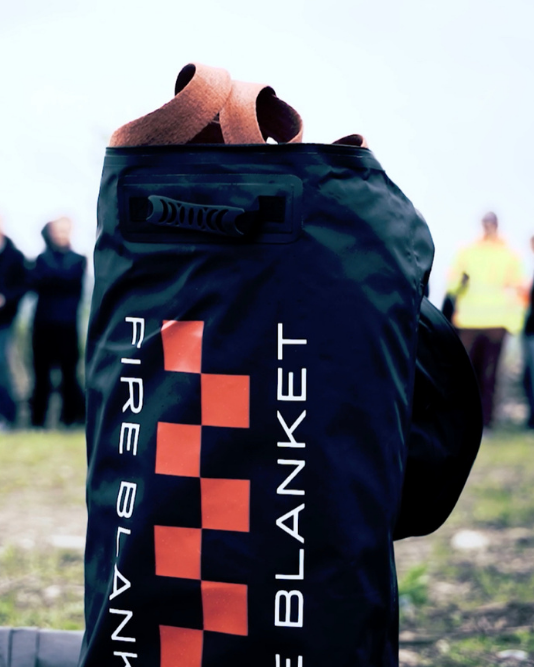
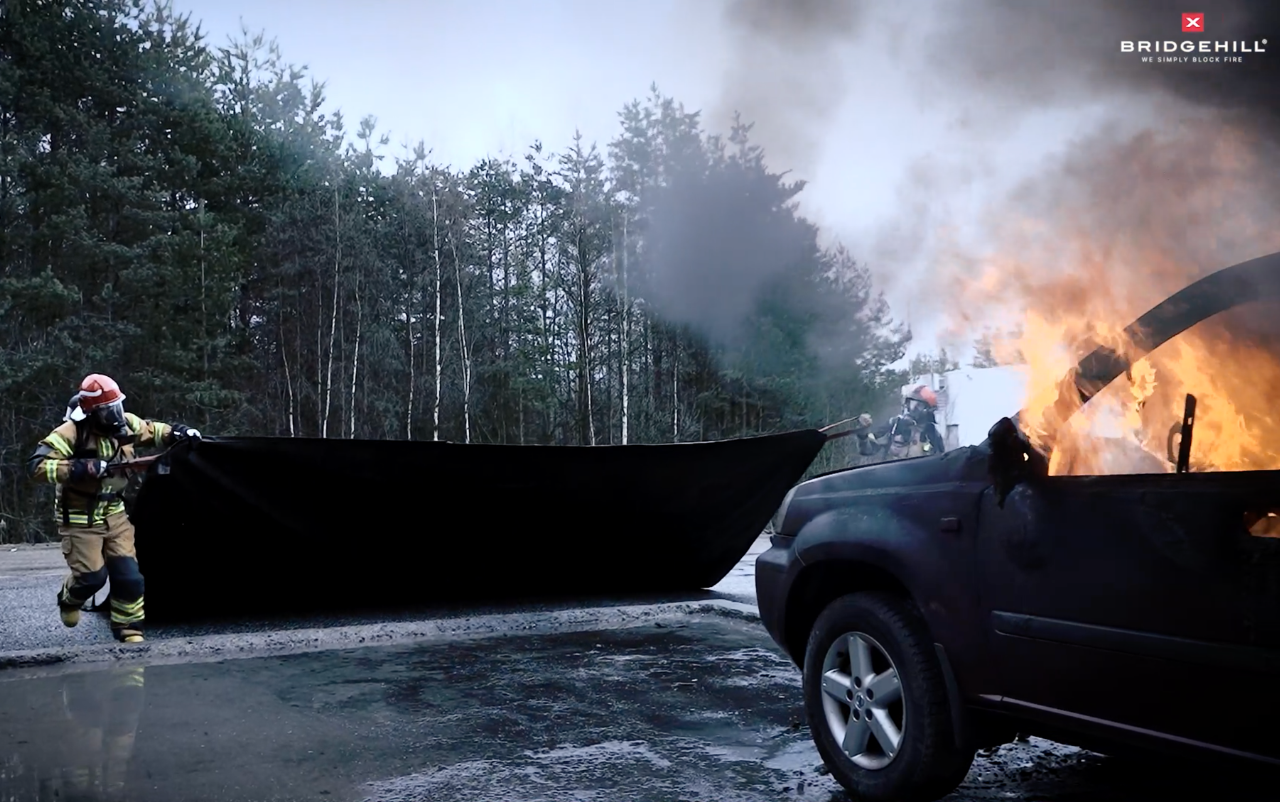
Designed for use by trained professionals, EV fire blankets are engineered to withstand high temperatures to contain flames, heat, and smoke during a fire. While they do not extinguish a lithium-ion battery fire, they can help manage the incident by allowing the batteries to burn out during thermal runaway, helping contain the fire, and reduce secondary damage.
Featuring a 10-year lifespan and suitability for multiple uses, EV Fire Blankets can support long-term fire safety planning. They should be thoroughly inspected and serviced at appropriate intervals, as well as after each use, to determine whether they remain suitable for redeployment.
Where Are EV Fire Blankets Most Suitable?
EV Fire Blankets should be installed in high-risk areas at a safe distance, allowing for easy access in an emergency following the advice of a fire risk assessors (FRA) assessment. EV fire blankets can be used to support fire safety measures in various environments, including:
1. Car Parks
Car parks, especially multi-storey or underground facilities, often contain large numbers of vehicles in close proximity. Positioning EV fire blankets at clearly marked fire points supports faster response, helping to prevent fire from spreading to surrounding vehicles or infrastructure.
2. Car Showrooms, Garages, and Workshops
These environments feature a combination of vehicles, flammable materials, electrical equipment, and charging infrastructure, presenting a lithium-ion battery fire risk. EV fire blankets here can help contain flames and smoke, reducing the risk of escalation and limiting disruption to operations, staff safety, and surrounding assets.
3. Ferries
Ferries transporting vehicles face a concentrated fire risk due to the number of vehicles stored within confined cargo decks and limited evacuation options. EV fire blankets positioned on vehicle decks can support rapid deployment, helping to contain fire spread and reduce the impact on nearby vehicles, onboard systems, and passengers.
4. Service Stations
The combination of EV charging activity with fuel storage and high vehicle turnover creates a higher-risk environment that must be carefully managed. EV fire blankets at service stations can support fire safety measures by helping contain vehicle fires and limiting the impact on nearby vehicles, structures, and fuel storage areas.
5. Tunnels
Road tunnels present unique challenges during vehicle fires due to restricted access, limited escape routes, and confined ventilation conditions, allowing heat and smoke to spread rapidly. EV fire blankets help to limit the spread of heat, smoke, and flames, reducing the impact on other road users and infrastructure.
6. Warehouses
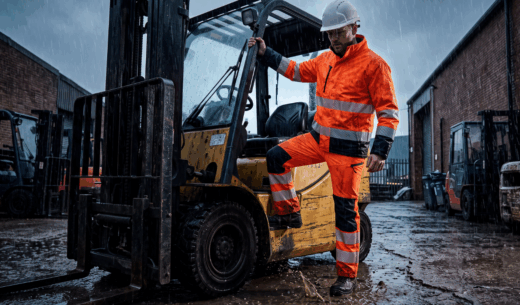
Warehouses and logistics facilities are increasingly incorporating electric forklifts, pallet trucks, and other battery-powered vehicles, introducing lithium-ion battery fire risks that should be considered as part of a fire risk assessment. EV fire blankets help contain vehicle fires, reducing disruption to operations while protecting individuals, equipment, and inventory.
Who Should Use EV Fire Blankets?
EV fire blankets should be deployed by trained professionals, ensuring the blanket is positioned correctly to cover the vehicle and minimise risk to those involved. When trained professionals are unavailable, the blanket should be left for the emergency services to deploy on their arrival.
Optional extendable deployment poles can further support safe use by allowing the operators to increase their distance from the vehicle during deployment in spaces where access is restricted.
A Practical Solution for EV Fire Protection
With the introduction of Class L recognising the risk posed by lithium-ion batteries, Bridgehill’s EV fire blankets provide a practical solution for organisations looking to strengthen their response to lithium-ion battery fires.
The risk didn’t change; the recognition did.
Content created in partnership with CheckFire.