Weatherproof You Site With These Winter Site Preparation Essentials
Winter weather can create additional challenges for almost every workplace. Heavy rain, surface water, freezing temperatures and reduced daylight can affect access routes, increase slip risks and make site markings more difficult to see.
The Health and Safety Executive notes that slip and trip accidents increase during autumn and winter as daylight hours shorten, fallen leaves become wet and slippery, and ice or snow builds up on paths. Frequently used walkways should therefore be identified and addressed promptly, regardless of the size of the site.
Taking action before conditions deteriorate can help organisations protect employees and visitors, reduce disruption and keep sites operating safely throughout the colder months.
Here are three practical ProSolve products that can form part of an effective winter site-preparation plan.
1. Prepare for Heavy Rain and Localised Flooding
Periods of persistent rain can overwhelm drains, cause water to collect around entrances and create flooding risks in low-lying areas.
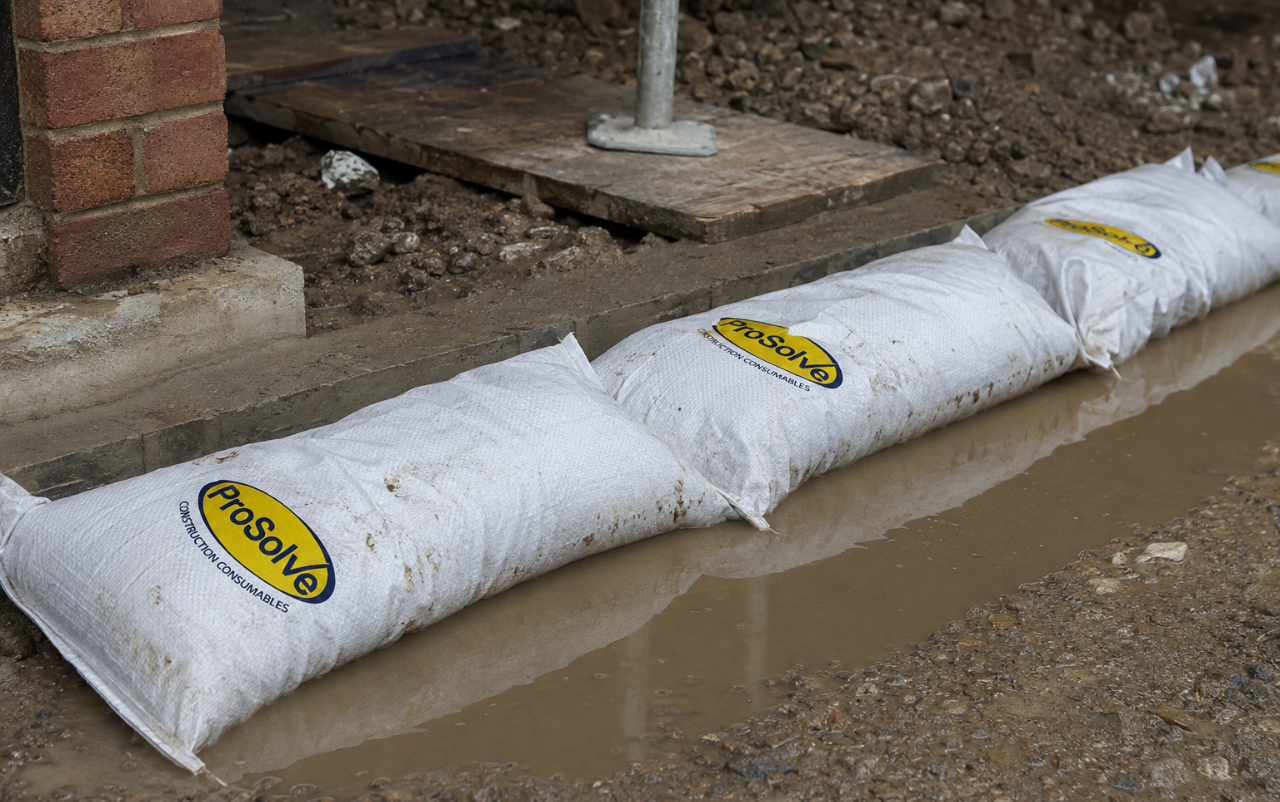
ProSolve Polypropylene Sandbags provide a practical solution for directing or restricting the movement of surface water and helping to protect vulnerable areas.
Manufactured from heavy-duty woven polypropylene, each sandbag measures approximately 780mm by 330mm. The bags are supplied unfilled, with integrated ties to help secure their contents. They are also UV stabilised, helping them withstand exposure to sunlight when stored or used outside.
Once filled, polypropylene sandbags can be used to:
- Create temporary barriers around doorways and entrances.
- Redirect surface water away from buildings.
- Help protect drains and other vulnerable access points.
- Add weight and stability to temporary traffic signs or site equipment.
The ProSolve sandbags are supplied empty, enabling businesses to store them compactly and fill them with suitable material when required. However, waiting until flooding has already started can make preparation significantly more difficult. Sites in areas that are susceptible to surface water should consider filling and positioning an appropriate number of bags before severe weather arrives.
Sandbags should form part of a wider flood-preparation plan rather than being treated as a complete flood-protection system. Government guidance recommends considering dedicated property flood-resilience measures in advance, particularly where a location has a known history of flooding.
2. Improve Grip on Steps, Ramps and Walkways
Wet footwear, frost, mud and surface water can make steps and pedestrian routes increasingly hazardous during winter.
While regular cleaning, maintenance and gritting remain essential, applying additional grip to known problem areas can help strengthen a site’s slip-prevention measures.
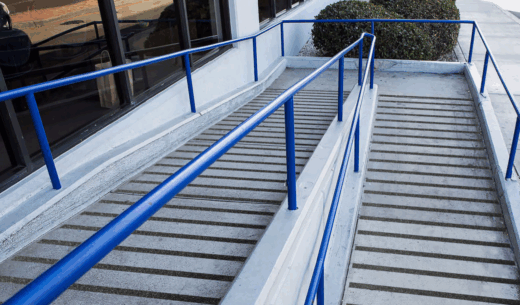
ProSolve Black Anti-Slip Tape is designed for use on stair treads, walkways, ramps, ladders and other areas where additional traction is required.
The 75mm-wide tape features coarse, resin-bonded grit on a durable, flexible backing. Its powerful pressure-sensitive adhesive allows it to be applied to many common surfaces, including concrete, wood, metal and previously painted areas. It is suitable for both interior and exterior applications and is supplied in a 20-metre roll.
Particular attention should be given to the following areas:
- Building entrances and exits.
- External steps and stair.
- Loading areas and access ramps.
- Frequently used pedestrian routes.
- Changes in floor level.
- Vehicle or machinery access steps.
Anti-slip tape should be inspected regularly, particularly after prolonged periods of rain, freezing conditions or heavy traffic. Sections that have lifted, become damaged or lost their abrasive surface should be replaced promptly.
3. Make Important Routes Easier to Identify
Reduced daylight, poor weather and worn surface markings can make it more difficult for pedestrians and drivers to understand how they should move around a site.
Clear markings are particularly important in car parks, warehouses, loading areas and workplaces where pedestrian routes cross vehicle traffic.
HSE guidance states that traffic routes should be suitably indicated where required for health and safety. Pedestrian and vehicle crossing points should also be clearly marked and signposted, with good visibility in every direction.
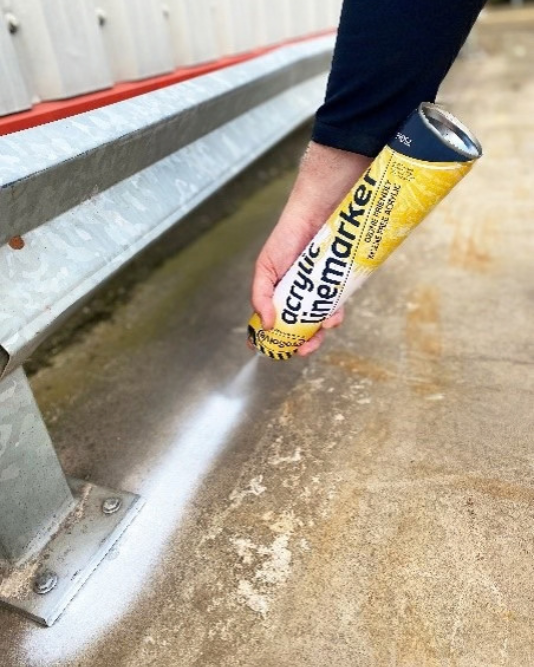
ProSolve Yellow Linemarker Paint Aerosol can be used to refresh or introduce markings across a range of environments, including roads, car parks, warehouses and external work areas.
The quick-drying acrylic paint produces a bold yellow, semi-permanent finish and is formulated to create long-lasting markings on suitable dry, dust-free surfaces. Each aerosol contains 750ml of paint and provides approximate coverage of 3.5 – 4.5 square metres, depending on the surface and application method.
The paint can be used to highlight:
- Designated pedestrian walkways.
- Crossing points.
- Loading and unloading areas.
- Vehicle routes and parking bays.
- Restricted or no-parking zones.
- Temporary work areas.
- Potential hazards or changes in site layout.
Prepare Today, Protect Tomorrow
Effective winter preparation does not rely on one product or one action. It requires organisations to understand their individual risks, inspect their premises regularly and put practical control measures in place before the weather changes.
From helping to manage surface water with polypropylene sandbags to improving traction with anti-slip tape and maintaining clear routes with yellow line-marker paint, ProSolve offers dependable products that can support a safer, more resilient workplace.
Preparing early helps protect people, property and productivity – whatever the winter weather brings.
Content created in partnership with ProSolve.