Why PPE Compliance Drops in Summer and What Employers Can Do
How Often is Your Team Removing PPE in Summer?
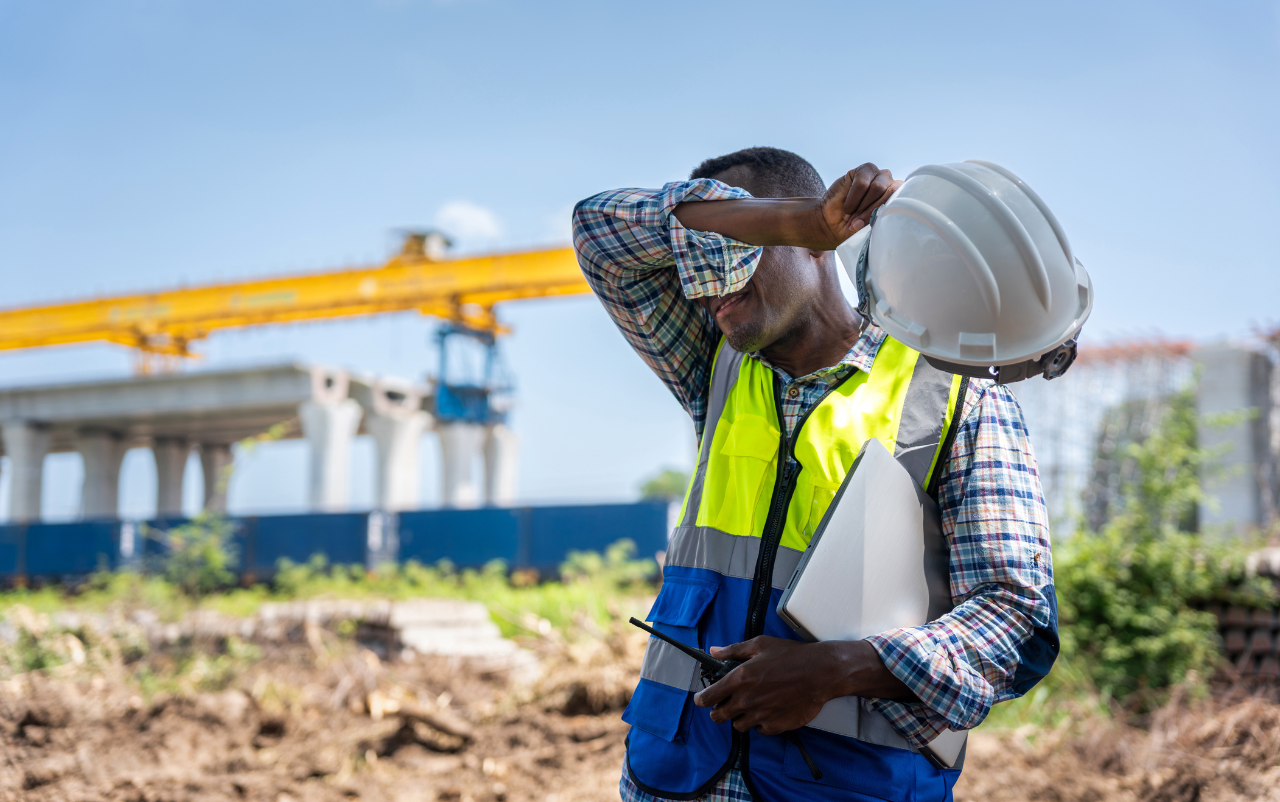
The warmer months bring a unique challenge for workplace safety. As temperatures rise, so does the temptation to remove personal protective equipment (PPE) for a little relief from the heat. Yet while discomfort may only last a few minutes, the consequences of removing PPE can be life-changing.
The removal of PPE is something we often see increase during the summer months as temperatures rise, which means health and safety professionals, site managers and employers need to be extra vigilant to ensure PPE requirements are understood and consistently followed.
The Summer PPE Challenge
We’ve all seen it happen.
Safety glasses pushed up onto the forehead.
Gloves removed for “just a quick task.”
Hearing protection taken out to have a conversation.
Respiratory protection loosened to cool down.
The decision takes seconds.
Unfortunately, so can an injury.
During hot weather, workers may feel that PPE is making conditions more uncomfortable, especially when carrying out physically demanding tasks. However, workplace hazards do not disappear simply because PPE has been removed. Moving machinery, airborne particles, hazardous substances, excessive noise and impact risks remain present regardless of the temperature.
PPE IS THE LAST LINE OF DEFENCE
Personal Protective Equipment forms the last line of defence against workplace hazards. While engineering controls and safe systems of work are essential, PPE provides critical protection when risks cannot be eliminated entirely.
Whether it’s:
- Eye protection preventing serious eye injuries
- Protective gloves reducing cuts, abrasions and chemical exposure
- Hearing protection safeguarding against permanent hearing loss
- Respiratory protective equipment (RPE) protecting workers from harmful dusts, fumes and airborne contaminants
Every item has been selected for a specific reason and plays a vital role in keeping people safe.
Think Before You Remove It
Before removing any PPE, workers should stop and ask themselves three simple questions:
Is the task complete?
Has the risk been removed?
Am I still exposed to hazards?
If there is any doubt, PPE should remain in place.
Creating a culture where employees actively consider these questions can help prevent unnecessary exposure and encourage better safety behaviours across the workforce.
PPE Removal Isn’t Just a Safety Risk, It’s a Compliance Risk
When PPE is removed before a task is complete or while hazards remain present, the consequences extend beyond the individual worker.
If PPE identified through a risk assessment is not being worn, the workplace may be operating outside its intended safety controls. This can create compliance concerns and increase the risk of incidents, enforcement action and potential legal claims should an employee become injured or develop an illness as a result of exposure.
Employers have a responsibility not only to provide suitable PPE, but also to ensure it is understood, available, maintained and worn when required. Equally, employees have a responsibility to use PPE correctly and follow the safety controls that have been put in place to protect them.
This is why regular supervision, workforce engagement and appropriate PPE selection are particularly important during the summer months when comfort can become a barrier to compliance.
Ultimately, PPE compliance is a shared responsibility. Employees must wear the protection provided, while employers must create an environment where safe behaviours are consistently supported, encouraged and monitored.
Addressing the Root Cause
If workers are frequently removing PPE because they are too hot or uncomfortable, it may be time to review whether the equipment provided remains suitable for the task and environmental conditions.
Consider:
- Is the PPE suitable for the work being carried out?
- Is it correctly fitted to the individual?
- Are lighter or more breathable options available without compromising protection?
- Are employees receiving adequate rest breaks and hydration opportunities?
- Are supervisors regularly monitoring PPE compliance and addressing concerns?
When PPE is comfortable, well-fitted and appropriate for the environment, workers are far more likely to wear it correctly throughout the day.
A Temporary Discomfort or a Permanent Consequence?
No one enjoys feeling hot and uncomfortable at work, but it’s important to keep the bigger picture in mind.
Summer discomfort is temporary.
Eye injuries, hearing damage, respiratory illnesses and other workplace injuries can last a lifetime.
As temperatures continue to rise, now is the time to review your PPE provision, reinforce expectations and engage your workforce in conversations about why PPE is necessary.
Because when it comes to workplace safety, the question isn’t whether PPE is comfortable.
It’s whether the risk is still present. And if it is, the protection stays on.