Zero Waste Week: Supporting Responsible Manufacturing with ATG®
Every year, Zero Waste Week (7–11 September in the UK) highlights the importance of reducing waste and improving how materials are produced, used and reused across industries. For manufacturers, it provides an opportunity to reflect on how responsible production practices can support long-term environmental sustainability.
At ATG® (Advanced Technology Gloves), sustainability is integrated into how the company designs, manufactures and delivers its products. Through a combination of integrated production, environmental management systems and continuous innovation, the company works to support both product performance and responsible manufacturing.

A Fully Integrated Manufacturing Approach
One of the defining features of ATG’s manufacturing model is its zero-outsourcing policy. All glove development and production processes are managed within ATG’s own facilities, allowing the company to maintain full control over quality, environmental performance and operational standards.
This fully integrated approach enables ATG to oversee every stage of production — from yarn sourcing and knitting to coating, washing and packaging. By keeping these processes in-house, the company can implement consistent sustainability and quality standards across its operations while maintaining high levels of product performance.
Environmental Responsibility in Manufacturing
Reducing environmental impact is a key focus within ATG’s operations. The company continuously works to improve resource efficiency throughout its manufacturing processes, including initiatives focused on improving efficiency across energy, water and emissions management, supported by advanced water treatment processes that enable recovery and reuse within production.
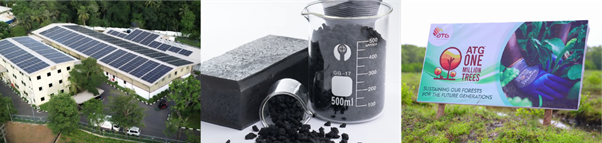
ATG has also invested in renewable energy solutions, including the expansion of solar power at its manufacturing facilities, with installed capacity already in place and further development underway as part of a broader transition toward renewable energy. These initiatives form part of the company’s broader strategy to increase energy efficiency and reduce the environmental footprint of its operations.
Environmental management systems support these efforts, supporting structured monitoring and continuous improvement across ATG’s production activities.
These initiatives form part of a structured roadmap to reduce greenhouse gas emissions across operations and supply chain, with a long-term ambition to achieve net-zero.
Waste Reduction and Responsible Resource Use
Reducing manufacturing waste is another important element of ATG’s sustainability approach. The company operates in-house waste segregation and recovery systems designed to minimise the amount of material sent to landfill.
Materials generated during production are managed through structured recycling and recovery processes, including the reuse of rubber waste within circular applications. Alongside this, ATG operates in-house water treatment systems that enable the recycling of approximately 500 m³ of water each day, supporting reduced resource consumption and improved operational efficiency.
Beyond manufacturing, some ATG gloves are designed to be laundered and reused, extending product lifespan and helping reduce the need for frequent replacement. This approach supports both sustainability and cost efficiency for users.
Environmental Standards and Certifications
ATG’s sustainability strategy is supported by recognised international standards and certifications, including ISO 14001 and ISO 50001, alongside established ESG frameworks and independent auditing programmes.
These frameworks underpin how environmental impact is managed, how operational efficiency is improved and how responsible manufacturing practices are maintained across ATG’s operations. Independent audits, including programmes such as SMETA, reinforce transparency and accountability.
Sustainability Beyond the Factory
ATG’s approach to sustainability extends beyond manufacturing to include responsible corporate governance, ethical business practices and employee wellbeing.
The company participates in recognised auditing and compliance programmes that support environmental, labour and ethical standards, and has been recognised with ISO 26000 “Role Model” status for its approach to social responsibility. This reflects a structured and externally validated approach to responsible business practices across the organisation.
Moving Toward a More Sustainable Future
Zero Waste Week serves as a reminder that reducing waste and protecting natural resources requires continuous innovation and collaboration across industries.
Through its integrated manufacturing model, environmental management systems and ongoing sustainability initiatives, including resource recovery processes and in-house water recycling, ATG continues to improve the environmental performance of its operations.
As industries worldwide move toward more sustainable production models, responsible manufacturing practices will play an increasingly important role in supporting a more resource-efficient future.
Content created in partnership with ATG®