Don’t Slip Up Outdoors: Summer Safety for Decks & Walkways
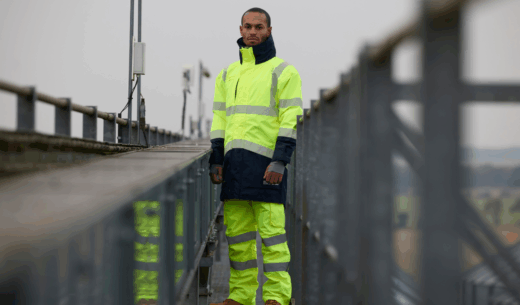
Outdoor walkways, decking areas and access routes often see increased use during the summer months. Warmer weather encourages higher footfall across public spaces, workplaces and commercial environments. While conditions may appear safer than winter, outdoor surfaces still present slip risks that require careful management.
Moisture, surface wear and environmental build up can all reduce grip underfoot. Without appropriate treatment, these surfaces can become hazardous even in dry conditions.
This article explores common outdoor risks during summer and outlines practical approaches to improving slip resistance using durable surface solutions.
Why outdoor slip risks remain in summer
It is often assumed that slip incidents are mainly a winter concern. However, outdoor environments present year round challenges that can affect surface safety.
Increased footfall: Higher levels of use during summer place greater demand on outdoor surfaces. Areas such as entrances, walkways and external staircases should be able to provide consistent traction.
Improving outdoor safety through surface treatment
Slip prevention outdoors is most effective when the surface itself is improved. Increasing surface friction helps provide stable footing in both dry and damp conditions. Anti-slip GRP solutions offer a practical way to upgrade existing surfaces without the need for full replacement. These products are designed to deliver consistent grip and long-term durability in exposed environments.
Using decking strips to improve walkway safety
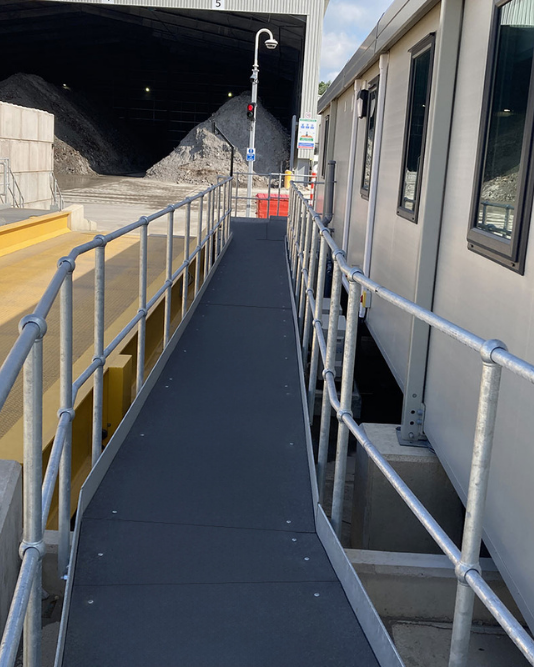
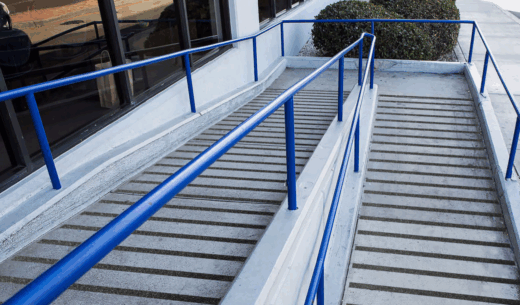
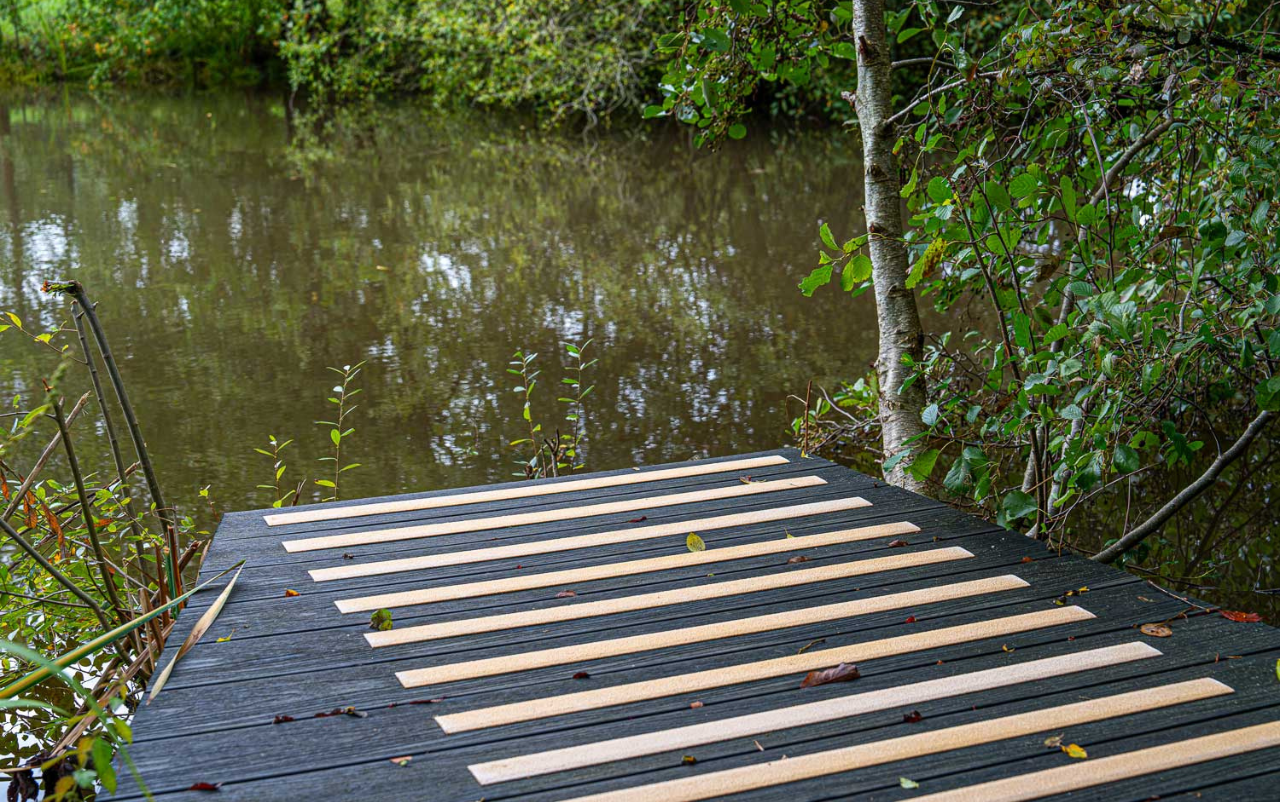
Anti-slip GRP decking strips are widely used to enhance timber walkways, ramps and bridges. These areas are particularly vulnerable to wear and moisture exposure. The gritted surface provides reliable traction underfoot, helping reduce slip risk in both dry and damp conditions. Decking strips can be fixed directly onto existing surfaces, making them a practical solution for upgrading outdoor areas. They are also available in high visibility colours, which can improve awareness of walkway edges and changes in level.
Improving wider areas with flat sheets
For larger outdoor surfaces, Anti-slip GRP flat sheets provide area wide protection. These are suitable for walkways, platforms and access routes where consistent grip is required across the entire surface.
The coarse texture increases friction and helps maintain stability even where surfaces are exposed to weather and contamination. Flat sheets can be installed onto timber, concrete or steel, offering flexibility across different environments.
This makes them a suitable option where existing surfaces have become worn or where additional slip resistance is required.
Designing safer outdoor walkways
Effective outdoor safety involves more than selecting the right product. It also requires consideration of how surfaces are used and maintained. Areas with higher footfall should be prioritised for treatment. This includes entrances, ramps, external staircases and frequently used access routes.
Regular light cleaning helps prevent the buildup of debris and organic growth. This supports the performance and longevity of installed anti-slip surfaces and supports to maintain consistent grip over time. Combining appropriate surface solutions with routine maintenance creates a more reliable approach to outdoor safety.
Outdoor environments present ongoing slip and trip risks, even during warmer months. By understanding how surfaces change over time and applying practical improvements, organisations can reduce risk and support safer movement across their sites.
Anti-slip GRP decking strips and flat sheets provide a durable and effective way to improve traction, extend the life of existing surfaces and maintain safety in outdoor environments.
Surface contamination: Dust, dirt and organic debris can accumulate on decking and walkways. This creates a layer between footwear and the surface, reducing friction and increasing the likelihood of slips.
Algae and moisture retention: Even in warmer months, shaded or damp areas can retain moisture. This encourages algae growth, which can make surfaces slippery underfoot.
Surface wear: Timber, concrete and metal surfaces can become smooth over time due to foot traffic and weather exposure. This reduces natural grip and increases risk, particularly on steps and changes in level.
Content created in partnership with Blue Diamond.