PEEP & Fire Safety Compliance: What Organisations Should Know to Meet The New Legal Requirements
In response to growing concerns around fire safety and inclusive evacuation, the UK government has introduced significant updates through the Fire Safety (England) Regulations 2025.
From April 2026, Residential Personal Emergency Evacuation Plans (PEEPs) is a legal requirement for certain multi-storey buildings in England. This change marks a fundamental shift in responsibility, placing clear accountability on building owners and employers to ensure that every individual, including those who may need assistance, can evacuate safely without relying on emergency services. For organisations across all sectors, this isn’t just a regulatory update, it’s a call to rethink how safety, accessibility, and preparedness are managed.
What Is PEEP and Why It Matters
A Personal Emergency Evacuation Plan (PEEP) is an individualised plan designed to help people who may need assistance to evacuate safely in an emergency.
This includes individuals with:
- Mobility impairments
- Hearing or sensory difficulties
- Temporary injuries
- Anxiety or difficulty navigating crowds
Building owners, employers, and site managers are now accountable for ensuring everyone can evacuate safely, without relying on emergency services to complete the evacuation.
The Legal Shift
While the 2026 regulations specifically target residential buildings, the expectation for safe evacuation planning already extends far beyond housing.
Under the Regulatory Reform (Fire Safety) Order 2005, all buildings must provide adequate means of escape for every occupant, including tailored support where required.
Why PEEP Is Critical Across Key Sectors
1. Schools: Protecting Every Student and Staff Member
Schools are diverse environments with students, teachers, and visitors who may have varying needs.
PEEPs ensure:
- Students with disabilities are not left behind
- Staff are trained and confident in emergencies
- Duty of care obligations are fully met
In a high-pressure situation like a fire evacuation, preparation is everything; and PEEP will provide that structure.
2. Manufacturing & Industrial: High-Risk Environments
Industrial settings often involve:
- Large, complex layouts
- Heavy machinery
- Multi-level access points
In these environments, evacuation is already challenging. Add in employees who require assistance, and the risk increases significantly.
PEEPs help:
- Reduce evacuation delays
- Prevent injury during escape
- Ensure compliance with strict health & safety standards
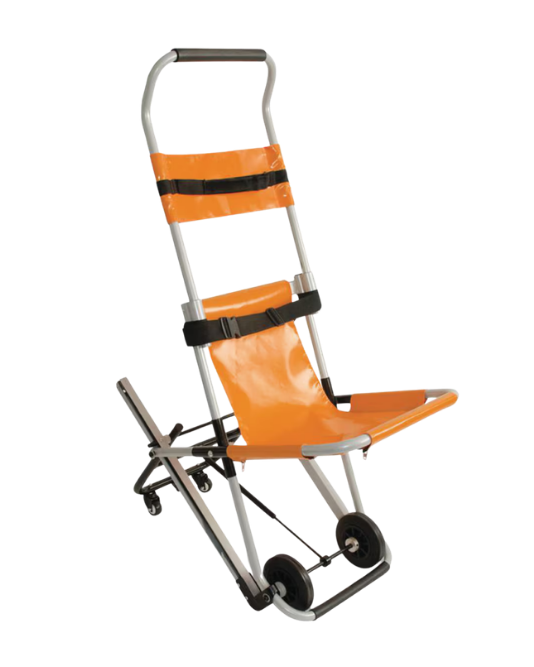
Combined with solutions like evacuation chairs, they form a complete safety strategy.
3. Services Sector: Duty of Care for Staff and Customers
From hospitality to facilities management, the services sector deals with constant foot traffic and varied occupants.
PEEPs are essential because:
- Visitors may not be familiar with the building
- Staff must act quickly and confidently
- Customer safety directly impacts reputation
A well-prepared evacuation plan reassures both employees and clients that safety is taken seriously.
4. Public Sector: Accountability and Inclusion at Scale
Government buildings, healthcare facilities, and public institutions must lead by example.
PEEPs enable:
- Inclusive access to safety for all citizens
- Compliance with regulatory frameworks
- Transparent, auditable safety processes
With large populations and complex estates, the public sector cannot afford gaps in evacuation planning.
5. Corporate & Large Enterprises: Managing Risk Across Multiple Sites
For large organisations, the challenge is consistency.
Across offices, campuses, and multi-storey buildings, businesses must:
- Identify individuals who need support
- Maintain up-to-date evacuation plans
- Train staff across locations
PEEPs provide a scalable framework for managing this risk; ensuring no employee or visitor is overlooked.
The Role of Equipment: Why Planning Isn’t Enough
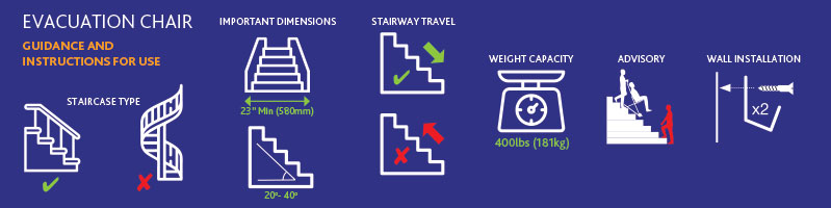
A PEEP is only effective if it’s supported by the right equipment and training.
Evacuation chairs, for example:
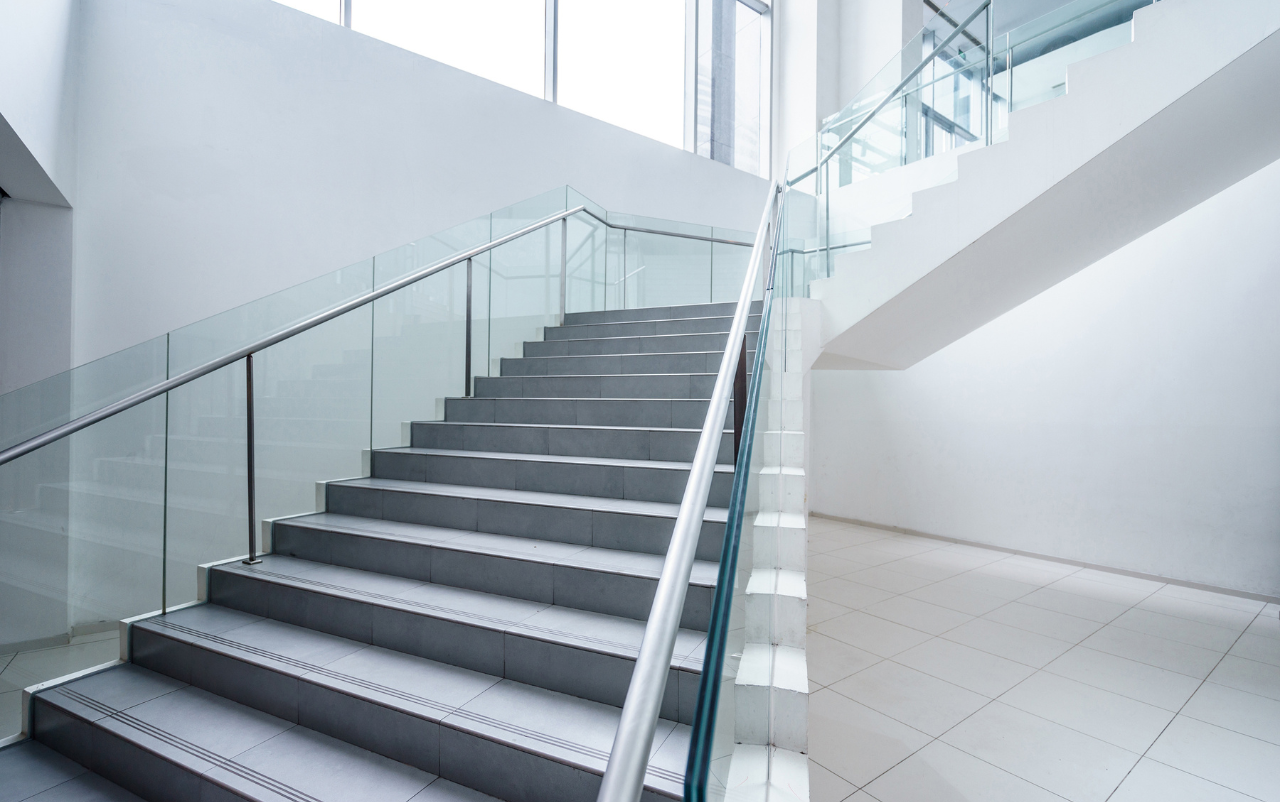
- Enable safe stairway descent
- Can be operated by a single trained person
- Reduce risk of injury during evacuation
In multi-level buildings, they are not just helpful, they are essential.
The shift toward mandatory PEEPs is about more than ticking boxes. It’s about building environments where everyone, regardless of ability, can feel safe.
For Lyreco customers, this is an opportunity to:
- Stay ahead of legal requirements
- Strengthen workplace safety culture
- Demonstrate real commitment to inclusion
Emergency situations don’t allow time for improvisation. Without a clear, personalised evacuation plan, vulnerable individuals are put at serious risk.
PEEPs ensure that:
- Everyone has a way out
- Responsibilities are clearly defined
- Safety is proactive, not reactive
Having a PEEP in place is only part of the solution, ensuring you have the right equipment to support safe evacuation is equally critical.
We offer a range of evacuation solutions, including high-quality evacuation chairs designed for safe, controlled stairway descent in emergency situations. Lightweight, easy to operate, and suitable for a wide range of environments, these chairs enable your team to respond quickly and confidently when it matters most.
Don’t wait for legislation to force change. Take proactive steps to protect your people and create and inclusive environment.
Content created in partnership with Reliance Medical.