Your New Year Safety Checklist
The start of a new year is the perfect time to hit reset, not just for business goals, but for workplace safety too. Ensuring your team begins the year in a safe environment isn’t just good practice; it keeps people protected, productive, and ensures compliance is maintained.
Whether it’s gathering feedback on how PPE is performing, introducing new procedures, conducting a site audit, or reviewing near-misses and reported accidents to identify training opportunities, taking the time to step back and ensure everything is in order is essential for effective health and safety management.
Here’s a practical Safety Checklist to help you start the new year on the right foot:
1. Check & Restock First Aid Kits
Ensure every first aid kit is fully stocked, accessible, and regularly maintained. Replace any used or expired supplies to be ready for any situation.
2. Inspect PPE for Wear & Replace if Needed
Personal protective equipment (PPE) is only effective if it’s in good condition. Check helmets, gloves, masks, and other gear for wear and tear, replacing anything damaged. Use this opportunity to remind teams what to look out for and when PPE needs replacing.
3. Check PPE Stations
Make sure PPE stations are organised, fully stocked, and easy to access. A quick visual check can prevent delays when safety gear is needed. If processes aren’t working well, now’s the time to improve them.
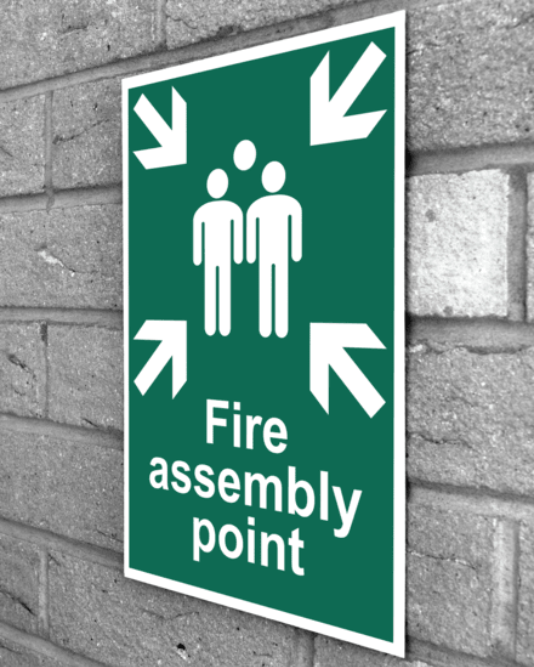
4. Refresh Safety Signage
Safety signs guide safe behaviour, not decorate walls. Conduct a walkaround to update or replace faded or damaged signs, and ensure all signage meets current standards.
5. Schedule a Site Audit
A site audit helps identify hazards before they become incidents. Consider booking an external party to provide a fresh perspective and spot risks your team might miss.
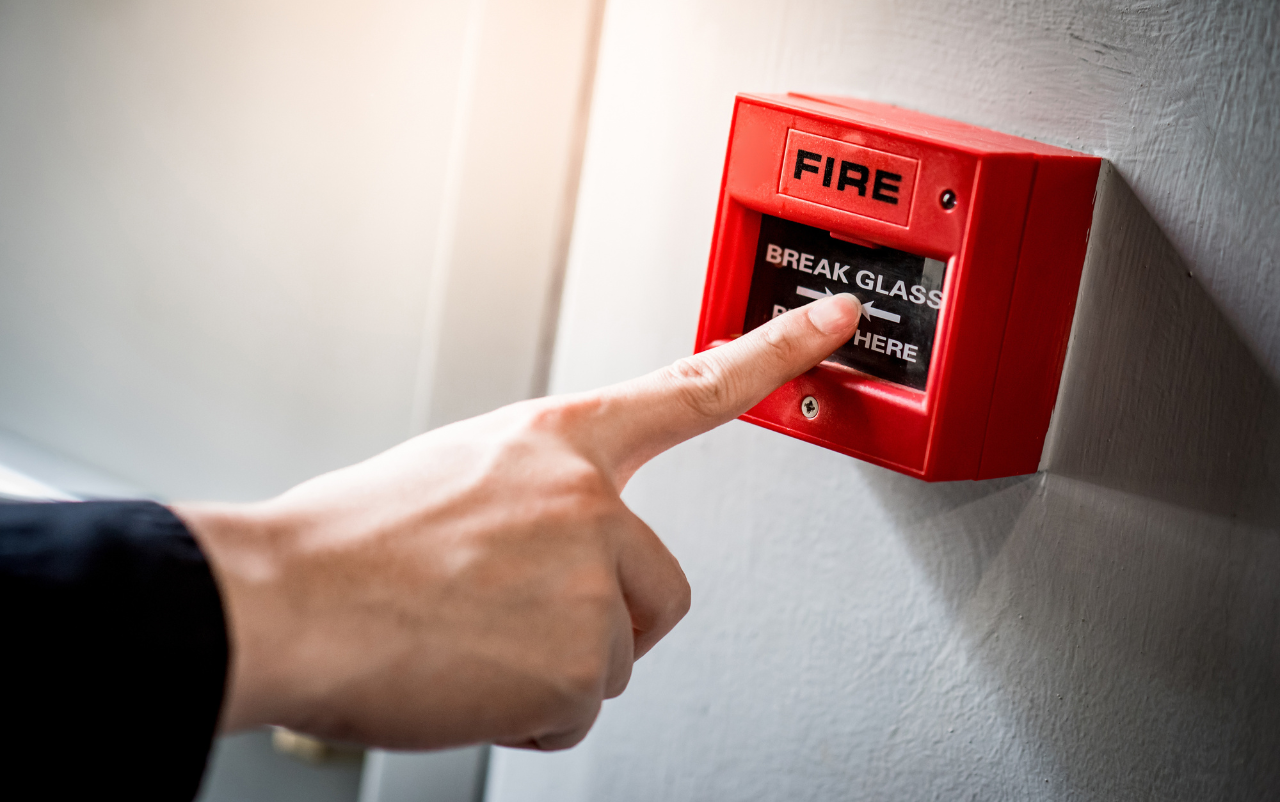
6. Inspect Fire Extinguishers & Emergency Exits
Check that fire extinguishers are serviced, visible, and in place. Ensure emergency exits are accessible, clearly marked, and free from obstructions.
7. Check Machinery & Equipment Maintenance
Regular maintenance reduces risk. Inspect machinery, tools, and equipment to ensure everything is working safely, and have a plan in place for ongoing maintenance and inspection.
8. Review Safety Procedures & Team Training
Refresh your team’s knowledge on emergency procedures, manual handling, or other relevant safety training. Focus on areas where near-misses and reported accidents have increased. Confirm there are enough first aiders and fire marshals on-site, and ensure managers know how to address and report incidents.
9. Tidy Work Areas & Remove Hazards
Clutter and obstacles are common causes of accidents. Encourage a tidy workspace, clear walkways, and remove hazards. Make this part of regular team routines.
10. Set Safety Goals & Plan Regular Check-ins
Safety is an ongoing commitment. Set clear goals for the year, whether that’s reducing near misses and reported accidents or improving training, schedule regular check-ins to track progress.
Starting the year with this approach sets the tone for the months ahead and gives peace of mind that your business is taking the right action. Consider which areas are most important for your team, ensure procedures are in place, and encourage a culture where safety is part of everyday operations. Remember: health and safety is everyone’s responsibility, and a strong safety culture begins with consistent processes and ongoing engagement.
Contact Our Team
For A Free Site Audit
Our safety specialists can recommend the right safety practices, identify hazards before they become incidents, and bring a fresh perspective to risks your team might otherwise miss.