Safer Steps: The Science Behind Anti-Slip GRP
Slips, trips and falls remain one of the leading causes of workplace injury. Steps and level changes present a particularly high risk, where loss of grip can have serious consequences. While footwear, behaviour and environmental conditions all play a role, surface material choice is one of the most controllable factors in slip prevention.
Understanding how materials perform, how they should be installed, and how they support compliance with safety guidance is essential when creating safer environments. This article focuses on the role of GRP in slip resistance and why it’s widely used in high risk areas.
Safer Steps: Understanding Anti-Slip GRP
Slips, trips and falls remain one of the leading causes of workplace injury. Steps and level changes present a particularly high risk, where loss of grip can have serious consequences. While footwear, behaviour and environmental conditions all play a role, surface material choice is one of the most controllable factors in slip prevention.
Understanding how materials perform, how they should be installed, and how they support compliance with safety guidance is essential when creating safer environments. This article focuses on the role of GRP in slip resistance and why it’s widely used in high risk areas.
What is
What is GRP and why is it used in anti-slip applications?
GRP, or Glass Reinforced Plastic, is a composite material made from polymer resin reinforced with glass fibres. This combination creates a strong, durable structure that performs consistently in demanding environments.
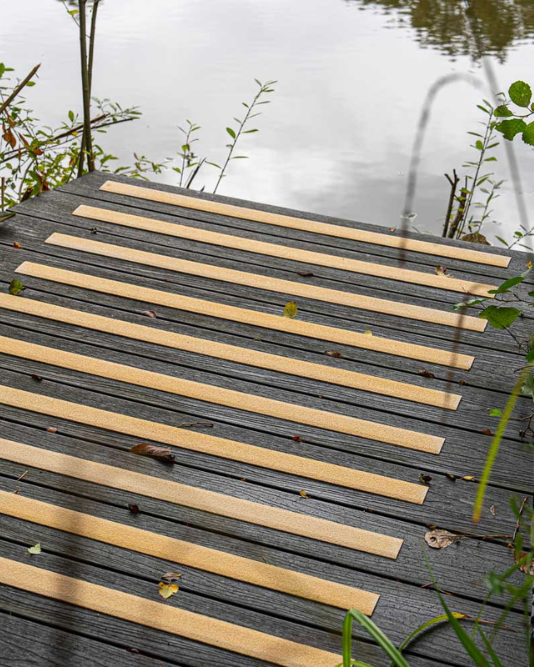
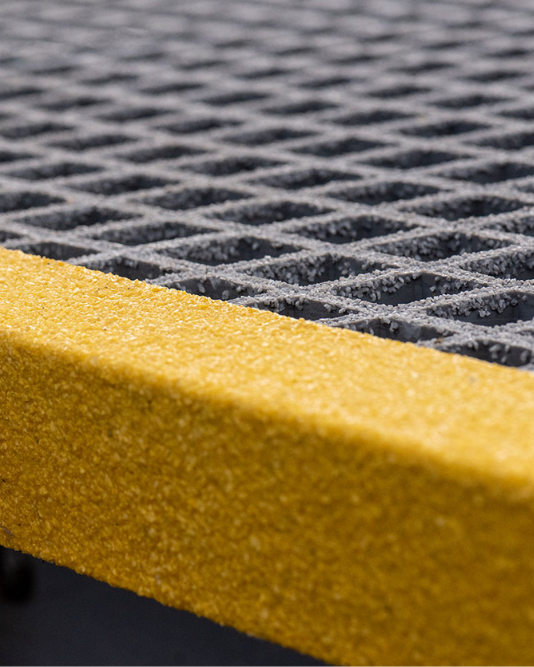
In anti-slip applications, GRP offers a key advantage. Abrasive aggregates are embedded into the surface during manufacture. These aggregates provide mechanical grip underfoot, even when water, grease, ice or surface contamination is present. Unlike applied coatings or tapes, the grit embedded within GRP does not wear away easily due to the material’s high durability, helping to ensure consistent performance over time. This durability is reinforced by our 10-year warranty on GRP products, providing confidence in their long-term effectiveness.
GRP is also resistant to rot, corrosion and UV exposure. This makes it suitable for both internal and external steps, walkways and access routes where timber, metal or painted finishes may degrade over time.
The science of slip resistance
Slip resistance depends on the level of friction between footwear and the walking surface. When moisture is present, smooth materials allow a thin liquid layer to form between the shoe and the floor. This significantly reduces grip.
Anti-slip GRP surfaces work differently. The textured aggregate rises above the moisture layer, allowing direct contact between footwear and surface. This creates mechanical interlock rather than relying on surface tension alone.
This is why GRP continues to perform in environments where timber becomes smooth, metal becomes slippery and concrete wears over time. The benefit is most noticeable on step edges and level changes, where secure foot placement is critical.
Installation: Achieving the intended performance
Material choice alone is not enough. Installation quality has a direct impact on safety performance.
Before installation, surfaces must be clean, dry and structurally sound. Loose debris, algae and damaged substrates should be addressed first. GRP products are designed to enhance grip, not compensate for unstable surfaces.
Fixing methods must suit the environment. Mechanical fixings are often preferred in external areas or high traffic locations, as they provide long term stability under load and thermal movement. Stair nosings must be accurately positioned to ensure consistent grip and clear step definition.
Correct installation supports both immediate safety and long term maintenance efficiency.
Compliance and HSE flooring expectations
The Health and Safety Executive requires floors and traffic routes to be suitable, well maintained and provide adequate slip resistance for their intended use. This applies to permanent walkways as well as temporary access routes.
GRP anti-slip products support these requirements by delivering consistent and measurable grip across a wide range of environments. High visibility options also enhance hazard awareness, particularly at step edges and changes in level.
Installing physical anti-slip solutions demonstrates a proactive approach to risk control. Rather than relying solely on signage or procedural measures, improving the surface itself reduces risk at the source.
Why GRP is a long term safety investment
GRP anti-slip products are not a short term response to poor conditions. They are a long term investment in safety, durability and compliance.
Their resistance to wear and low maintenance requirements make them suitable for busy environments. Reducing slip incidents helps protect employees, visitors and contractors, while also minimising disruption, claims and reputational risk.
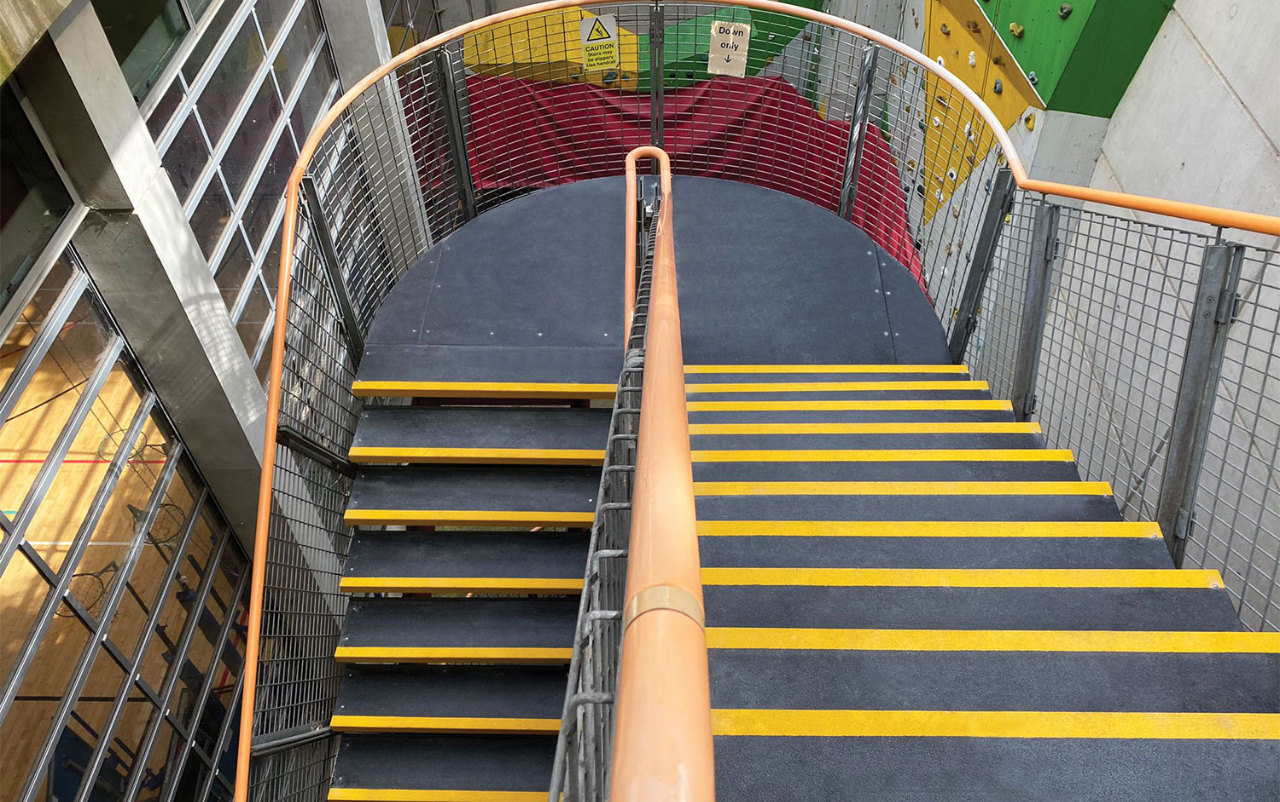
Blue Diamond GRP Anti-Slip Stair Treads provide full tread coverage, while GRP Stair Nosings enhance grip and visibility at the leading edge. Both are designed to perform reliably in wet, icy and high traffic conditions.
Final
Safer steps begin with informed material choices. By understanding how GRP performs, installing it correctly and aligning with HSE guidance, organisations can move beyond temporary fixes and achieve lasting improvements in slip prevention, you can read more here.
Content created in partnership with Blue Diamond.