6 Types of Site Safety Boards to Improve Workplace H&S Standards
A site safety board gives staff one visible place to find safety equipment and critical information fast. That single change can cut the slips, trips, falls and near-misses that come from a disorganised workplace.
Health and safety managers often treat safety boards as a tick-box exercise. Used properly, they remove ambiguity about where equipment lives, who is responsible for it, and what to do in an emergency.
The scale of the problem:
Out of 680,000 work-related non-fatal injuries reported in 2024/25:
- 30% were slips, trips, or falls
- 17% were caused by handling, lifting, or carrying
- 10% were struck by a moving object
- 8% were falls from height
Out of 126 work-related fatal injuries reported:
- 31 were falls from height
- 24 were struck by a moving vehicle
- 21 were struck by a moving object
- 10 were caused by contact with moving machinery
Many workplace injuries like these are avoidable, and proper safety measures can prevent a large majority of them. While proper safety processes and procedures are the core foundations of a safe workplace, certain products, such as safety boards, can help ensure these standards are maintained.
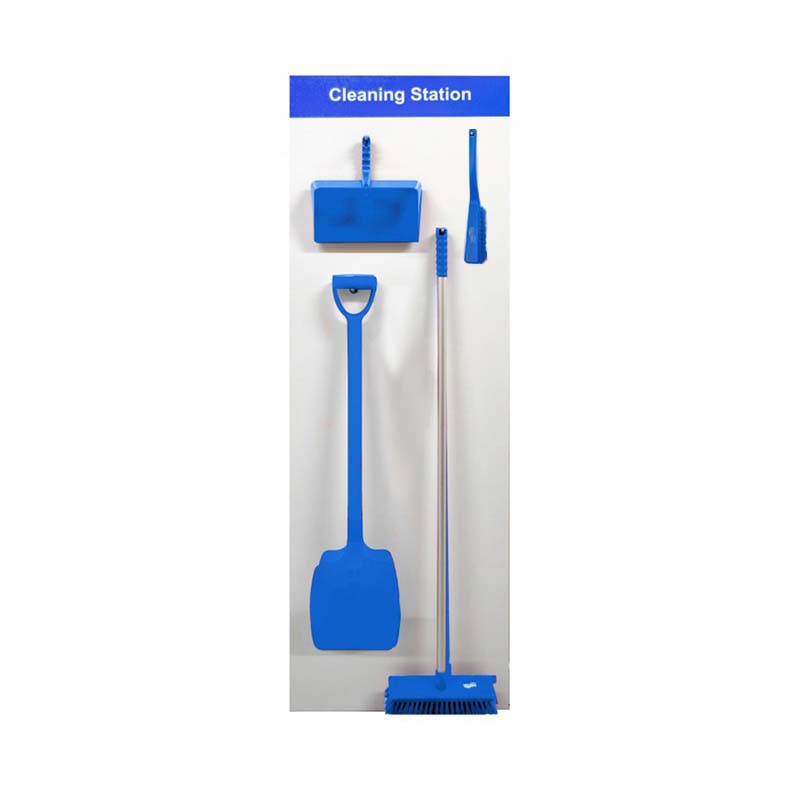
Cleaning Shadow Boards
Staff often leave tools and cleaning equipment wherever they last used them. That makes equipment hard to find, lowers cleaning standards, and leaves items lying around as a trip hazard.
A shadow board gives every tool a designated storage spot. Staff can see at a glance what’s missing and where it belongs, which keeps workspaces clean, tidy and organised.
Read more about shadow boards and 6S lean manufacturing here.
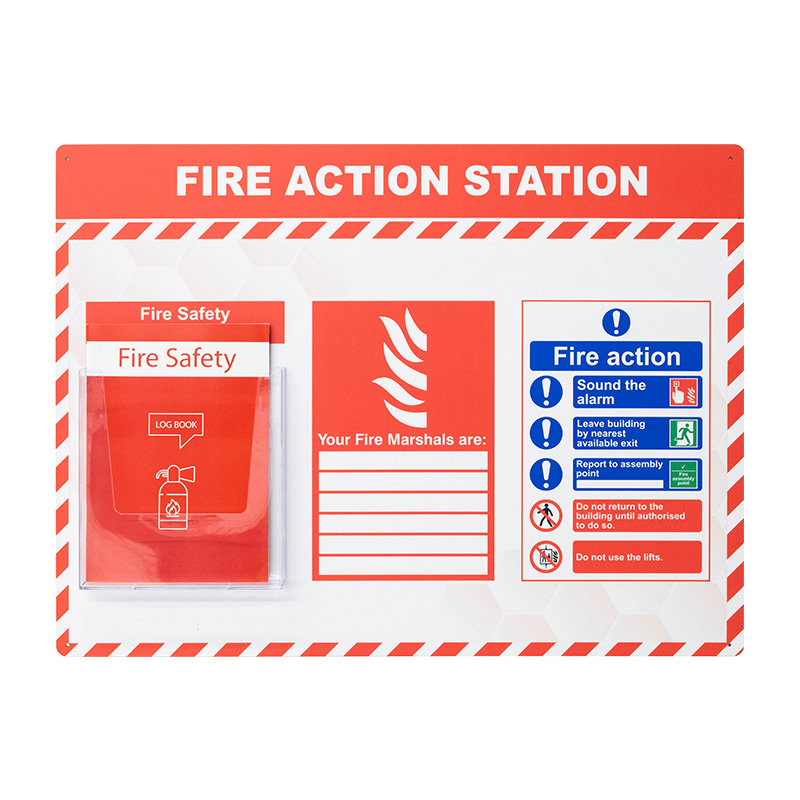
Fire Action Station
Fire and rescue services carried out 51,020 fire safety audits last year, according to Fire Marshal Training. Only 58% were judged satisfactory.
A fire action station displays the information inspectors and staff need to see immediately:
-
- Fire safety logbook
-
- Fire marshal details
-
- Fire action notice signs
Keeping these documents in one visible, fixed location means people know exactly where to find them, whether that’s during an audit or a real emergency.
Hazard Safety Station
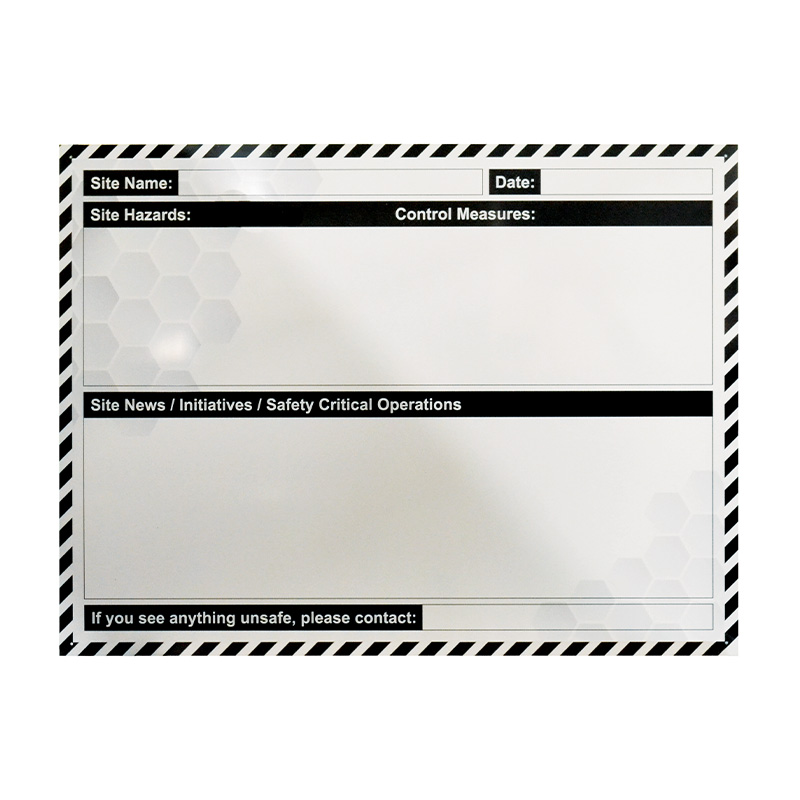
A hazard safety station gives you a clear, conspicuous place to record unexpected or site-specific hazards. Many sites have risks that are unique to their operation, and a laminated safety station handles those cases well.
Warehouse managers and H&S professionals can write directly onto the board with a drywipe marker. That makes it particularly useful for temporary or location-specific hazards that need their own control measures.
Site Safety Notice Board
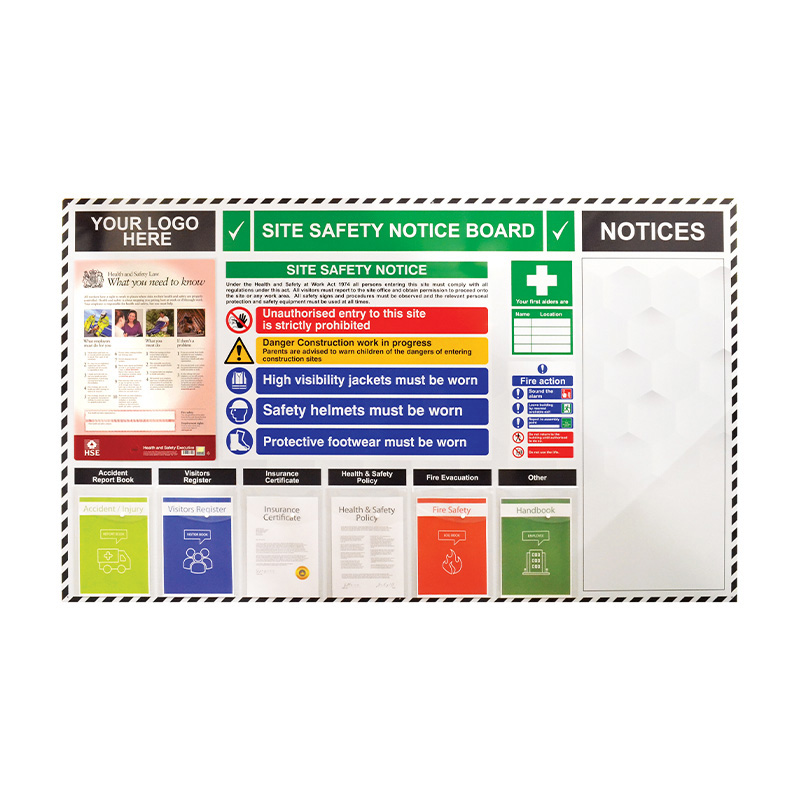
A site safety notice board centralises the documentation every site needs on hand, including:
-
- Accident report book
-
- Visitors register
-
- Insurance certificate
-
- H&S policy
-
- Fire safety logbook
You can also use the board for a legally required HSE poster, a site safety notice sign, first aiders’ names and a fire action sign. Workers and visitors get every essential piece of safety information in one place, which matters most in an emergency.
Safety Rescue Hook Board
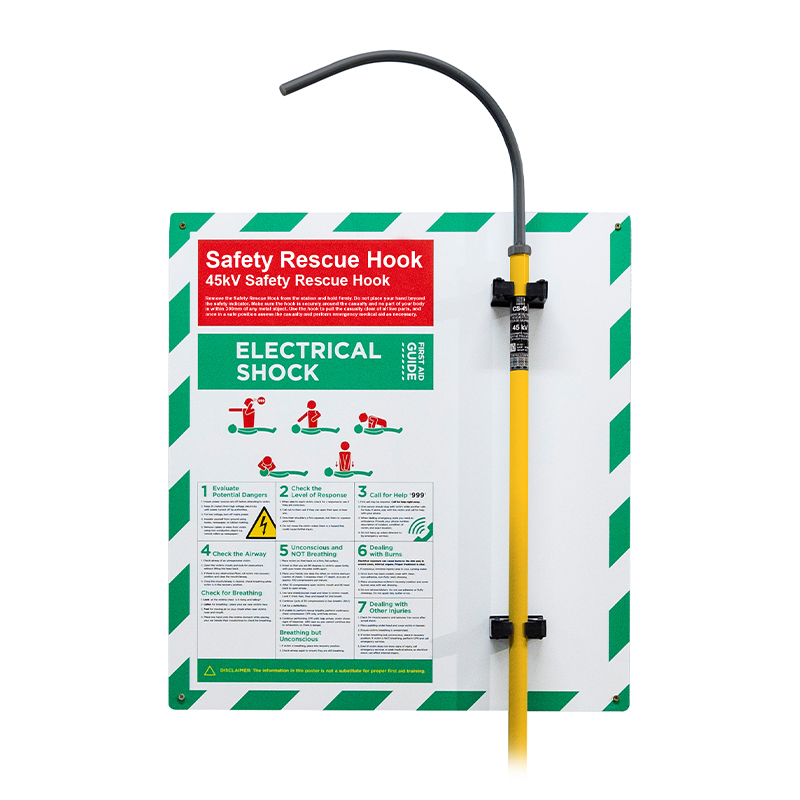
There’s no rule stating that every electrical room needs a rescue hook board. It comes down to risk. Where the risk exists, the hook needs to be close enough to reach immediately, but far enough away that retrieving it doesn’t put anyone in the danger zone.
Rescue hook boards are typically necessary in:
-
- High voltage switch rooms
-
- Substations
-
- Electrical maintenance areas
-
- Electric vehicle manufacturing facilities
People often leave rescue hooks in a corner or shut away in a cupboard. In an emergency, nobody knows where to find them, so colleagues either waste time searching or put themselves at risk retrieving one. A designated storage spot solves that. Everyone knows where the hook is, and response time drops.
Lockout Stations
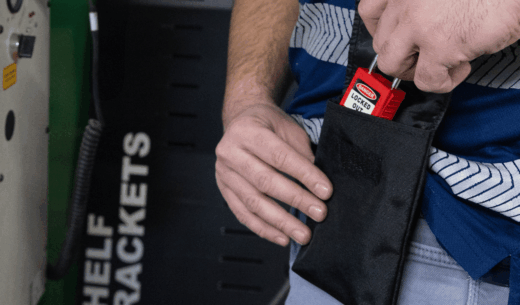
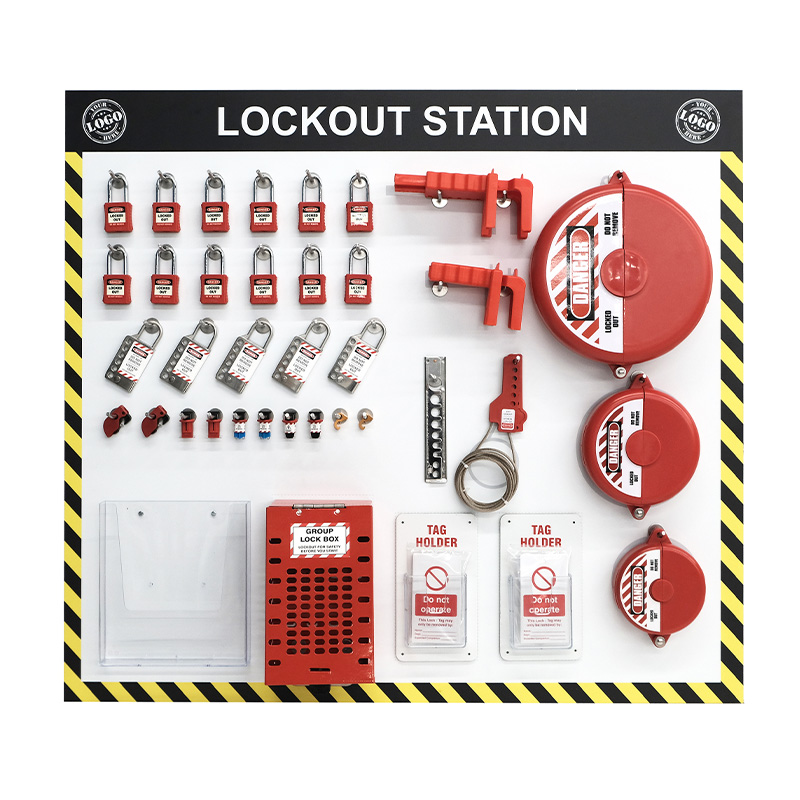
A lockout station stores the equipment needed to lock out machinery, placed wherever it’s most useful on site. Everyone can see what’s required for the job and where to find it.
Lockout stations support:
- Accessibility: workers find equipment without wasting time searching for it
- Group lockout: multiple pieces of equipment let teams lock out machinery together
- Standardisation: everyone uses the same equipment for the same job, with no risk of picking up the wrong item
- Accountability: missing items from the board signal that work is still in progress
- Compliance: a visible lockout board demonstrates that isolation has been properly thought through
Key Takeaways – what to remember:
- Robust H&S procedures come first. Safety boards are products that helps you maintain those standards day to day.
- A designated storage location for equipment removes ambiguity and reduces avoidable injuries.
- Different boards suit different risks: general housekeeping, fire safety, site-specific hazards, documentation, electrical rescue and lockout.
Go back to the injury statistics at the start of this article. No person or business wants to be part of them. The right procedures, processes and equipment help you avoid becoming one.
Content created in partnership with Spectrum Industrial.