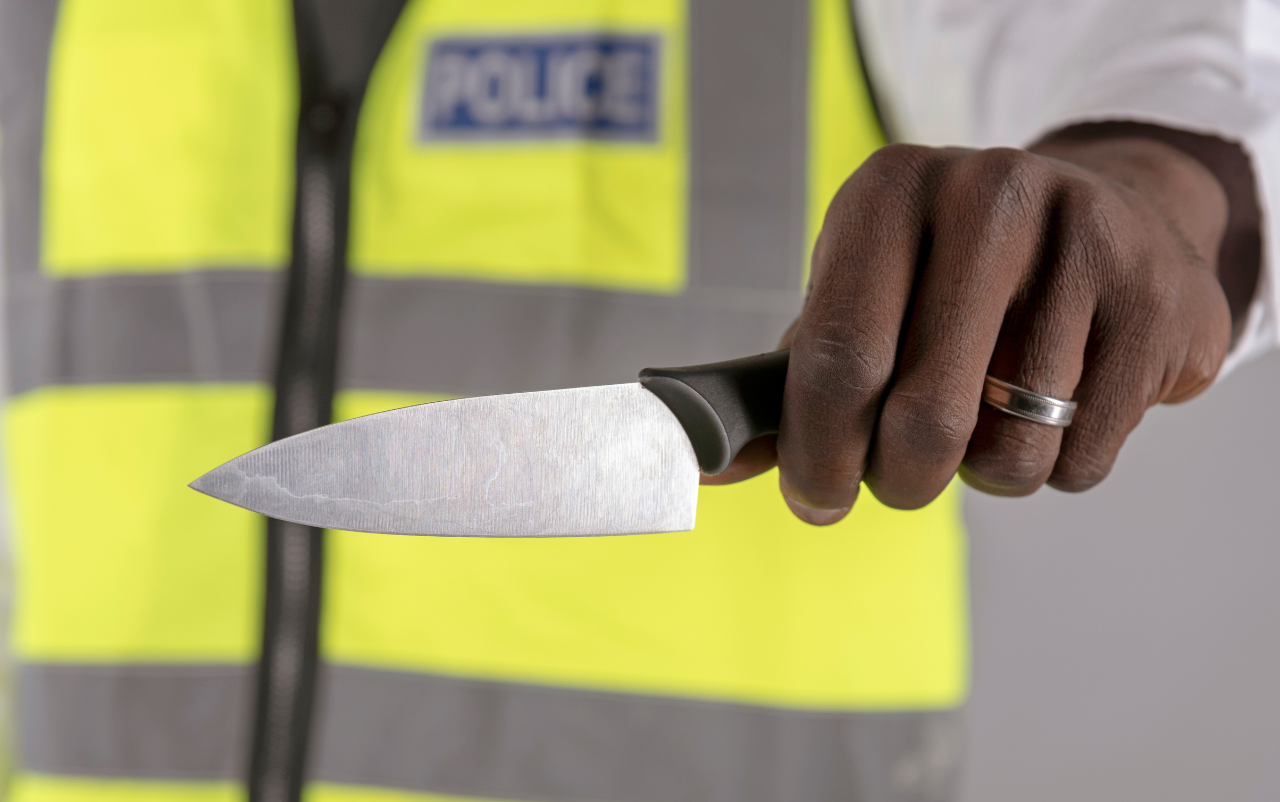
Knife Crime Awareness Week: Why Bleed Control Access Can Save Lives
Knife Crime Awareness Week brings attention to the devastating impact of knife crime across communities, particularly the disproportionate effect on young people.
But alongside prevention and awareness, there is another critical conversation that must take place:
What happens in the moments immediately after a serious injury?
Because when major trauma occurs, it is often not the injury itself, but the uncontrolled bleeding that determines whether someone survives.
The reality of the statistics
Recent data highlights the continued scale and impact of knife crime in the UK:
-
- 49,151 offences involving a knife or sharp instrument were recorded in England and Wales in the year ending December 2025
-
- This equates to over 130 incidents every day
-
- Knife crime has increased by around 50% over the past decade.
-
- 205 people were killed using a knife or sharp instrument in the year ending March 2025
-
- 52 young people under 25 lost their lives in these incidents
Source: Office for National Statistics (ONS), Crime in England and Wales; Homicide data 2025, via The Ben Kinsella Trust
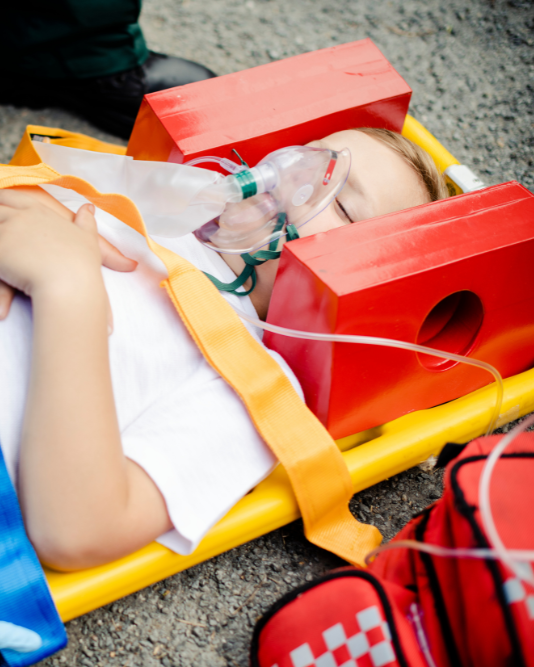
WHY bleed control matters
In any major trauma, whether caused by knife injuries, road traffic collisions, falls or workplace accidents, blood loss is one of the most critical and immediate threats to life.
- Uncontrolled bleeding contributes to more than 50% of trauma-related deaths
- Victims can deteriorate rapidly, often within minutes
- Emergency services, while highly responsive, cannot always arrive immediately
This creates a crucial gap where bystanders, communities and workplaces play an important role in survival rates.
Early intervention using bleed control equipment can:
- Slow or stop severe bleeding
- Stabilise a casualty
- Significantly improve survival outcomes
It’s important to recognise that bleed control is not just about knife crime.
Severe bleeding can occur in:
- Road traffic collisions
- Workplace incidents
- Sporting injuries
- Falls or accidents in public spaces
Creating a shift in public preparedness
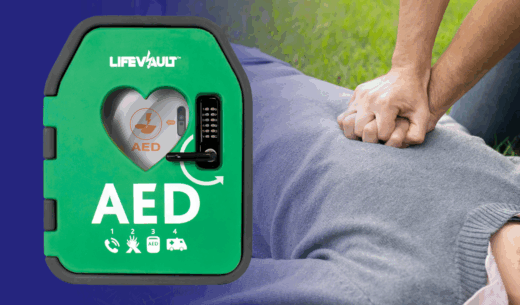
Over the past decade, there has been a major shift in how communities respond to cardiac emergencies.
Defibrillators (AEDs) have become:
- More widely accessible in public spaces
- Registered on national networks like The Circuit
- Recognised as essential life‑saving equipment
Now, the same transformation is beginning to happen with bleed control.
Platforms like the Bleed Map are helping to:
- Register locations of bleed control kits
- Enable emergency services and the public to locate them quickly
- Improve response times during critical incidents
But compared to defibrillators, bleed control infrastructure is still developing.
The role of businesses and public spaces
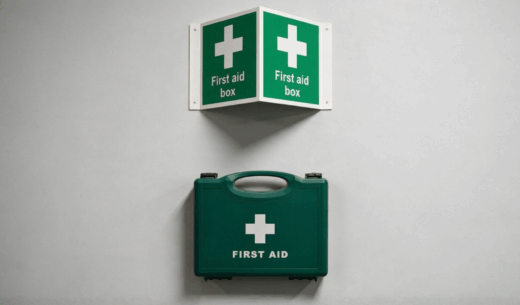
Businesses and organisations are increasingly recognising that standard first aid kits may not be enough in serious trauma situations.
As highlighted by leading trauma care specialists: Without immediate action, major trauma injuries from falls, vehicle collisions, or stabbing incidents can lead to permanent disability or death, particularly where severe blood loss is involved.
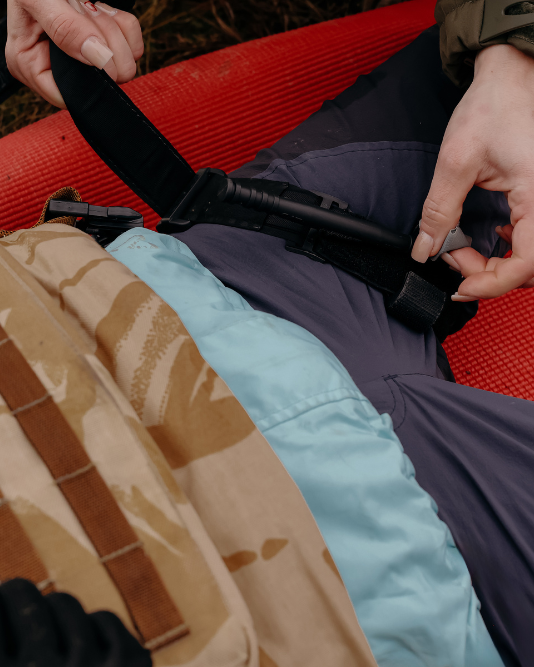
Advanced truama solutions, such as bleed control kits are specifically designed to:
-
- Manage catastrophic bleeding
-
- Stabilise casualties before emergency services arrive
-
- Provide the best possible chance of survival
Where bleed control kits make the biggest impact
Publicly accessible bleed control kits are most effective when placed in high‑traffic or higher‑risk environments, including:
- Transport hubs (train stations, bus stations)
- Retail environments, pubs, restaurants and shopping centres
- Public spaces such as parks and event areas
- Workplaces with higher risk of injury
- Schools, campuses and community facilities
Knife Crime Awareness Week reminds us that preventing violence remains a priority. But it also highlights the importance of being prepared when emergencies happen.
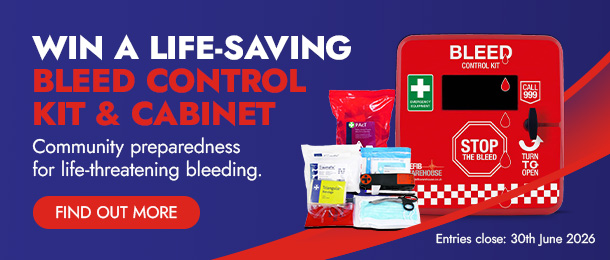
Win a Life‑Saving Bleed Control Cabinet Bundle
This Knife Crime Awareness Week, we’re raising awareness of the importance of rapid bleed control in emergencies, not just for knife injuries, but for any incident where severe bleeding can occur, from workplace accidents to road traffic collisions and public emergencies. Early action before emergency services arrive can be critical, which is why we’re supporting organisations to make bleed control equipment publicly accessible and helping communities respond when every second counts. We’re giving one organisation the chance to improve community preparedness and access to life‑saving equipment.
Enter here and tell us how a publicly accessible bleed control kit could support your community. Entries close 30th June. Terms and conditions apply.